A Memorial Trail for Griff Watkins

Tags

,

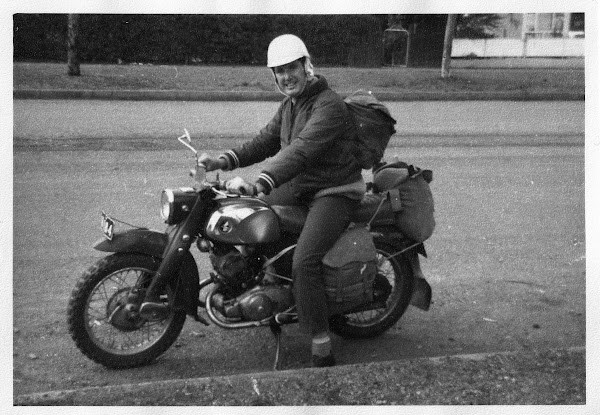
Griffith Watkins in Kalgoorlie, 1966. Courtesy Betty Brennan.

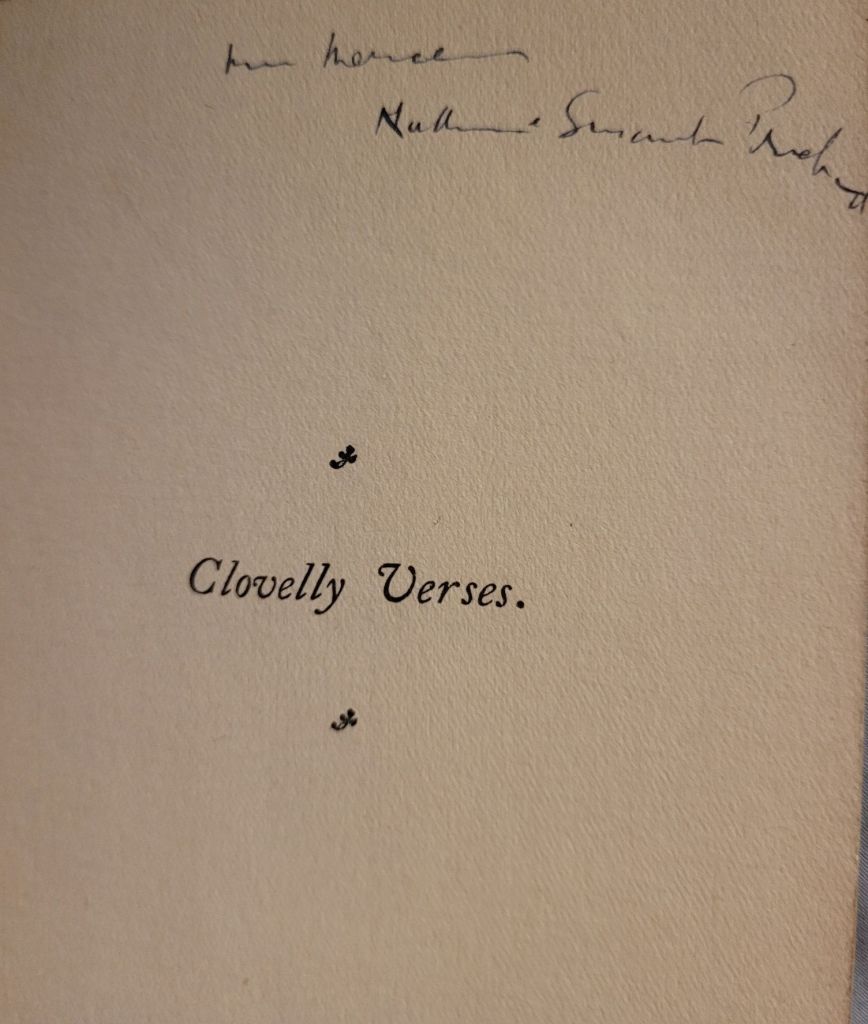
I came across Griff Watkins (1930-1969) for the first time in The Fremantle Press Anthology of WA Poetry, edited by John Kinsella and Tracy Ryan. It was a wonderful poem about a Perth heatwave in the 1960s which reminded me of W.H. Auden. The snippet of his biography intrigued me: he drowned himself in the Swan River at Claremont a couple of years after the publication of his debut novel, The Pleasure Bird. After that, I kept on running into him. I found out he’d taught at Collie Senior High School in the South-West, where I’d gone to school in the 1990s. I was visiting Murdoch University’s Special Collections and saw his papers on display. I read his novel and I loved it. I wondered if it would be possible to write a whole book about my quest for Griff, a book about posthumous obscurity, the more typical writerly life of moderate success and many failures, the hauntings of a literary ghost in Perth. But there wasn’t enough material and there wouldn’t be enough interest.

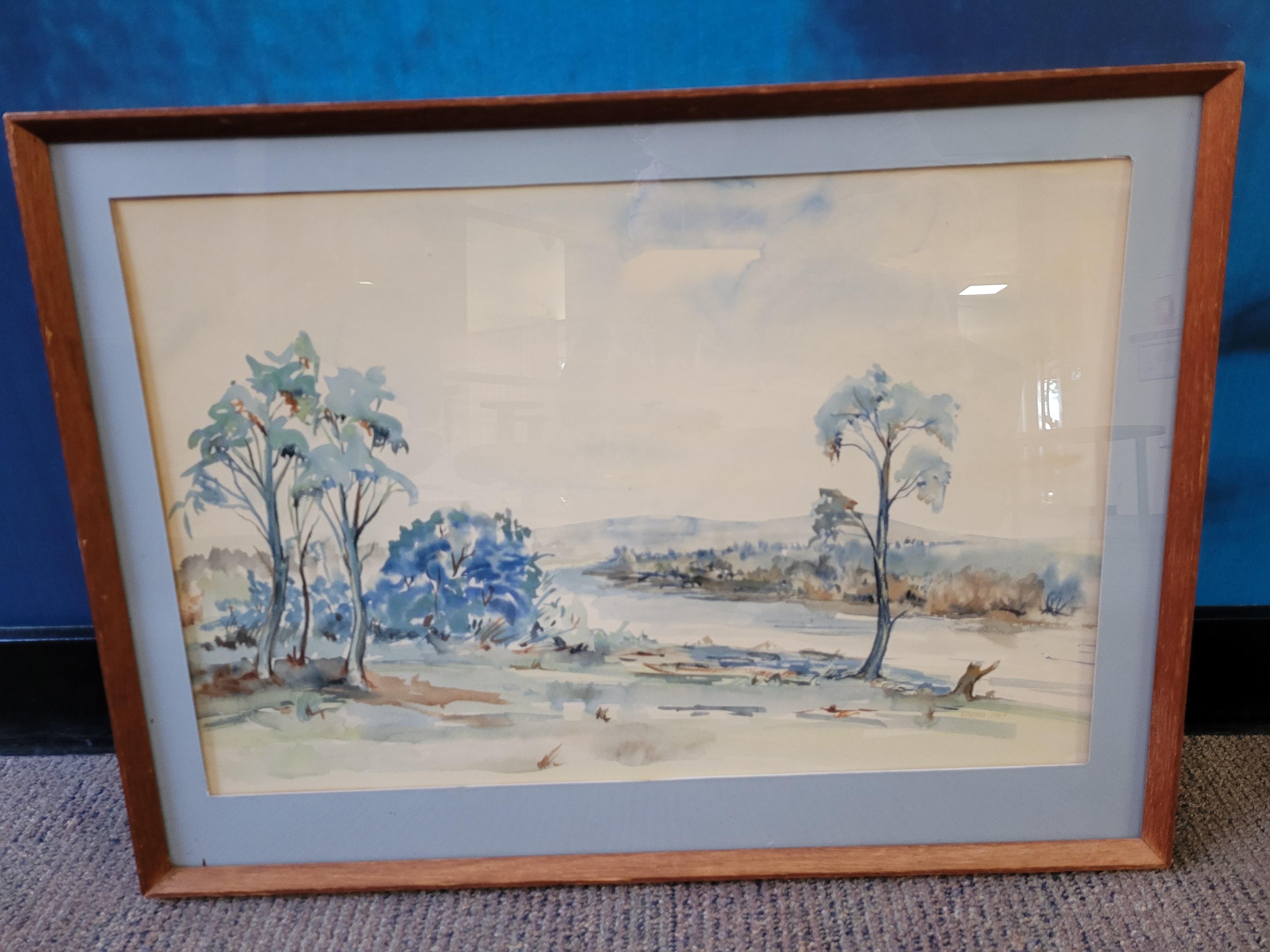
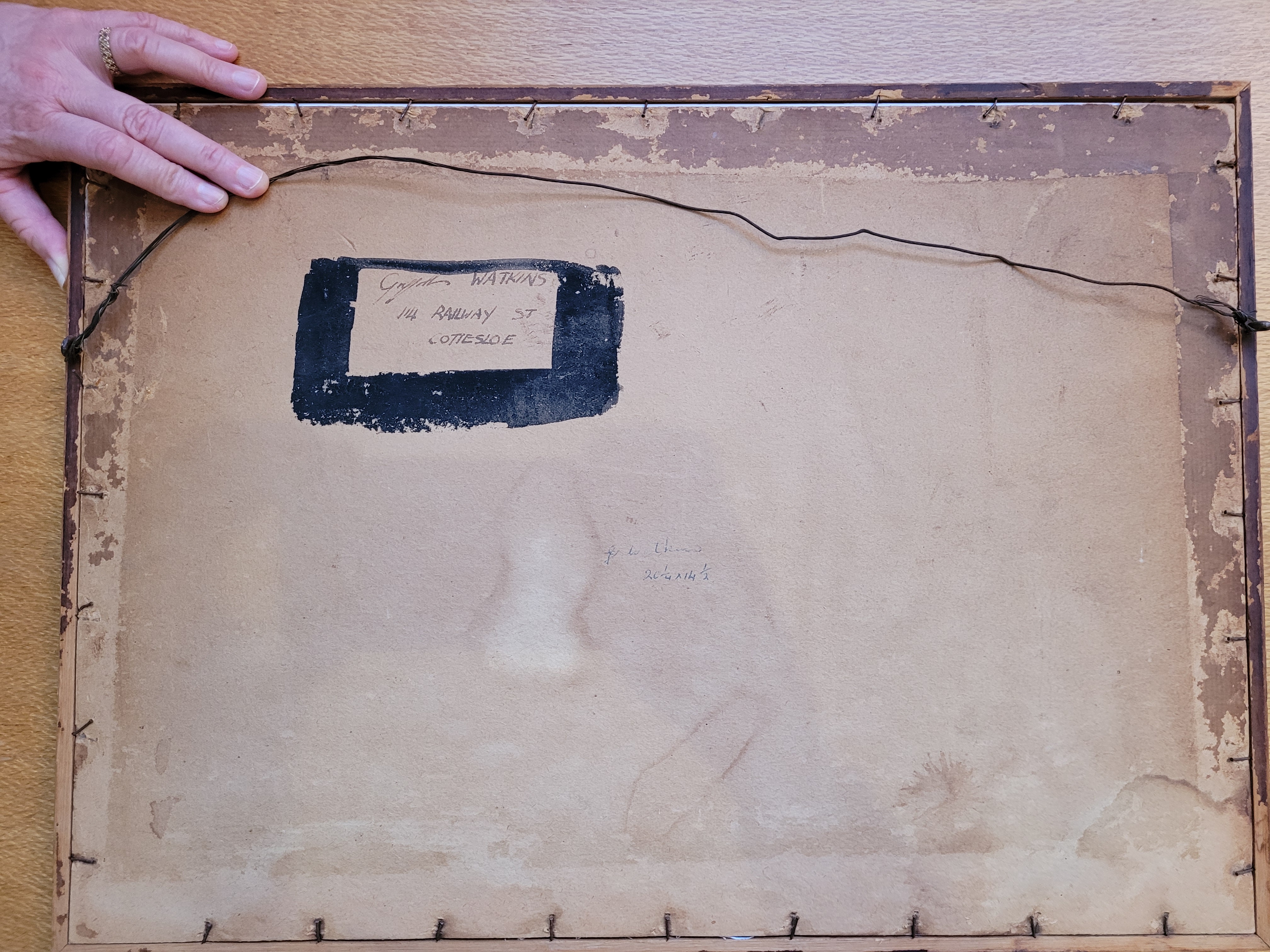
I was thinking of abandoning the project altogether when a PhD student named Mary asked me what I was working on. It turned out her mother, Betty, now in her late 90s, had taught with Griff in Collie. (Coincidentally, Mary’s sister, Pip, was also my mentee in the Four Centres Writing Program.) It was a sign. I interviewed Betty over the phone; she remembered Griff so sharply and insightfully. She had the beautiful photo, above, of Griff on a motorbike from his last visit in Kalgoorlie, and this painting of his (below) he had given her as a wedding present. The scale of my piece shifted: I would tell of my quest for Griff in a single creative non-fiction essay. It was published last year in Westerly 69.1 – my great achievement of 2024!

Some postscripts:

Mary read the piece to Betty, and said she enjoyed it. I was sad to hear of Betty’s death soon after.

I found out after I’d published that my great uncle, John Stanlake, going strong at 94 and an exact contemporary of Griff’s, had known him at Claremont Teachers’ College. I think the connections would keep piling up the longer I spent with Griff.

You can purchase Westerly 69.1 here. And you can read the manuscript version of ‘A Memorial Trail for Griff Watkins’ below.

Continue reading

Kim E. Beazley: Father of the House

Tags

, ,

When Kim E. Beazley (father of the Labor leader) died in 2007, he left behind the manuscript of a memoir, Father of the House. It was published posthumously by Fremantle Press in 2009, edited by the wonderful Janet Blagg, who also worked on my first book. Beazley emerges in the pages of this memoir as a principled politician, and an uneasy Laborite. He succeeded John Curtin as the federal member for Fremantle after Curtin’s death in 1945; he was only 26 and he was to remain in parliament though the entire winter of opposition for Labor from 1949 to 1972, before finally retiring in 1977.

Continue reading

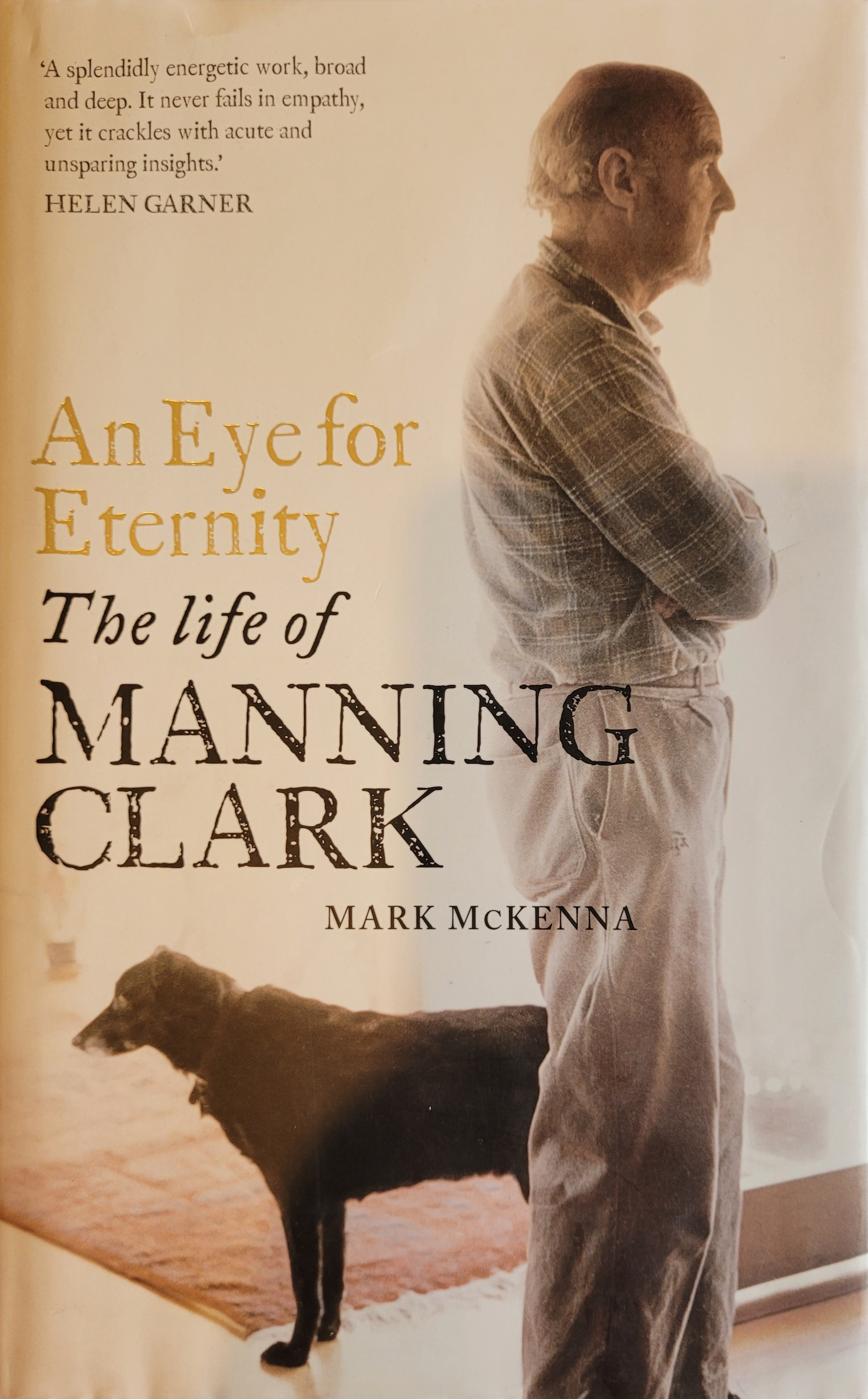
An Eye for Eternity, chapter 1

Cover of the book

Mark McKenna opens his 2011 biography of the Australian historian Manning Clark (1915-1991) with a beautiful section describing Clark’s voice. ‘His voice sounded the entire person.’ We read accounts of what Clark sounded like from different people who knew him, weaving snippets of quotes, ranging over his whole life. It’s such a wonderful way to introduce Clark, giving a sense of his character and some landmarks of his life. It shifts subtly into a discussion of his appearence and then onto his personality. It’s a brilliant opening chapter.

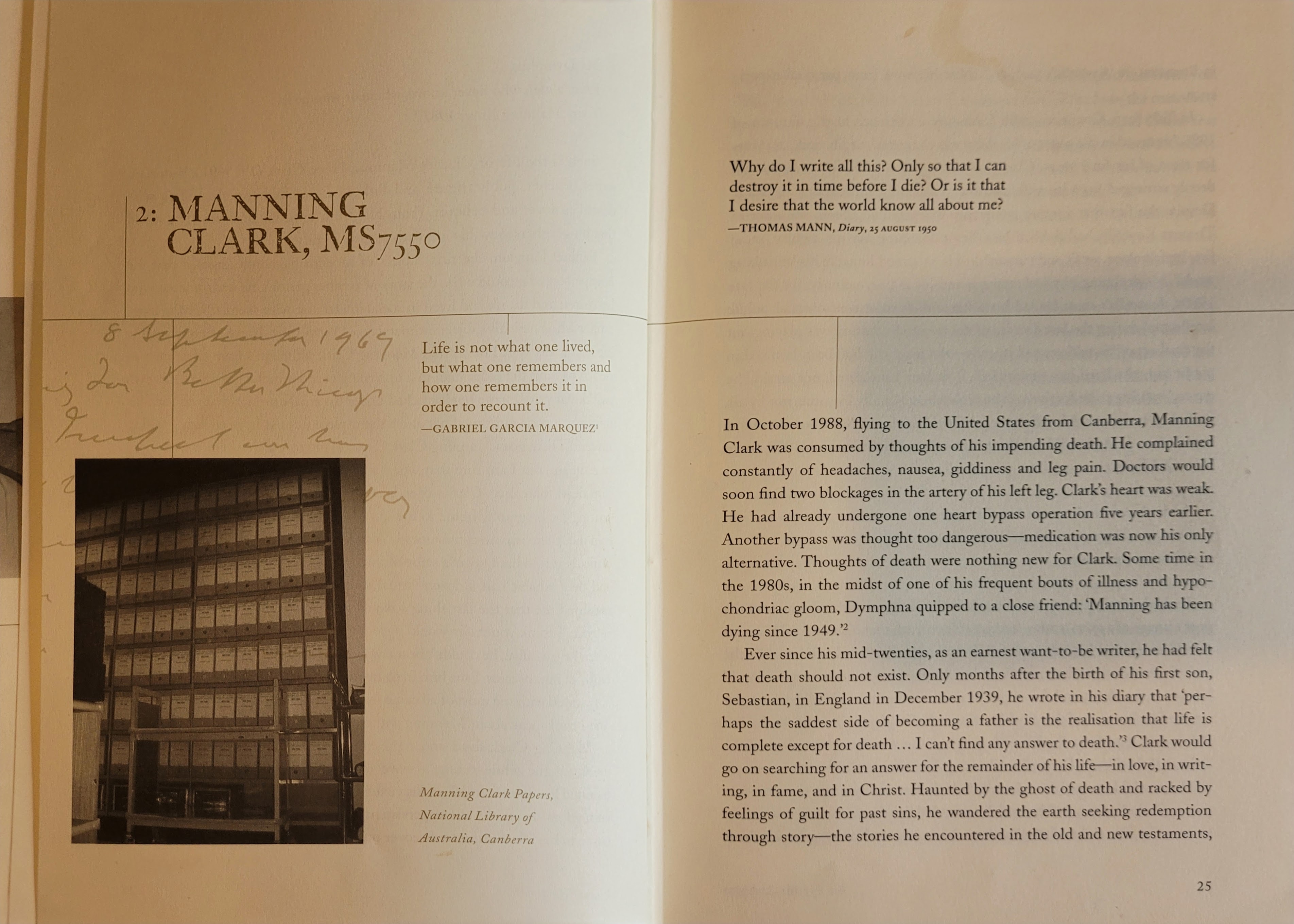
Another thing I love: the photographs are integrated into the text. They’re right next to the relevant text. I wanted this for my KSP biography but wasn’t allowed it, alas. I think I’ll try again next time!

Two page spread of the book.

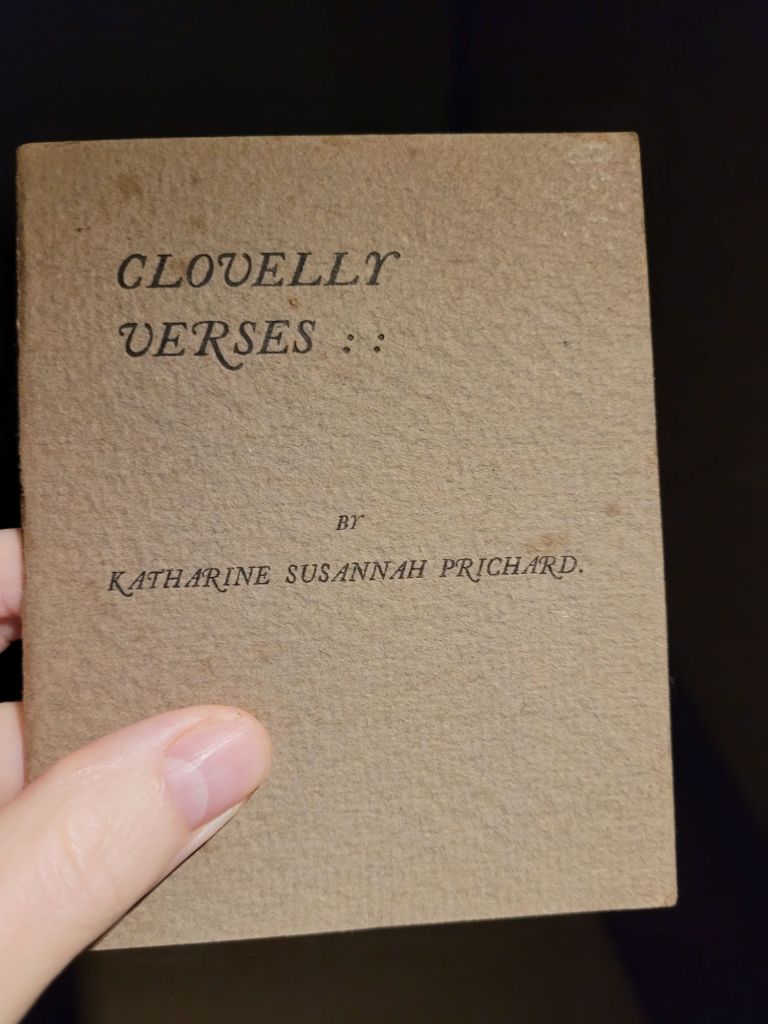
Author Talk at Dianella Library: The Life, Loves and Books of Katharine Susannah Prichard, the Red Witch of Greenmount

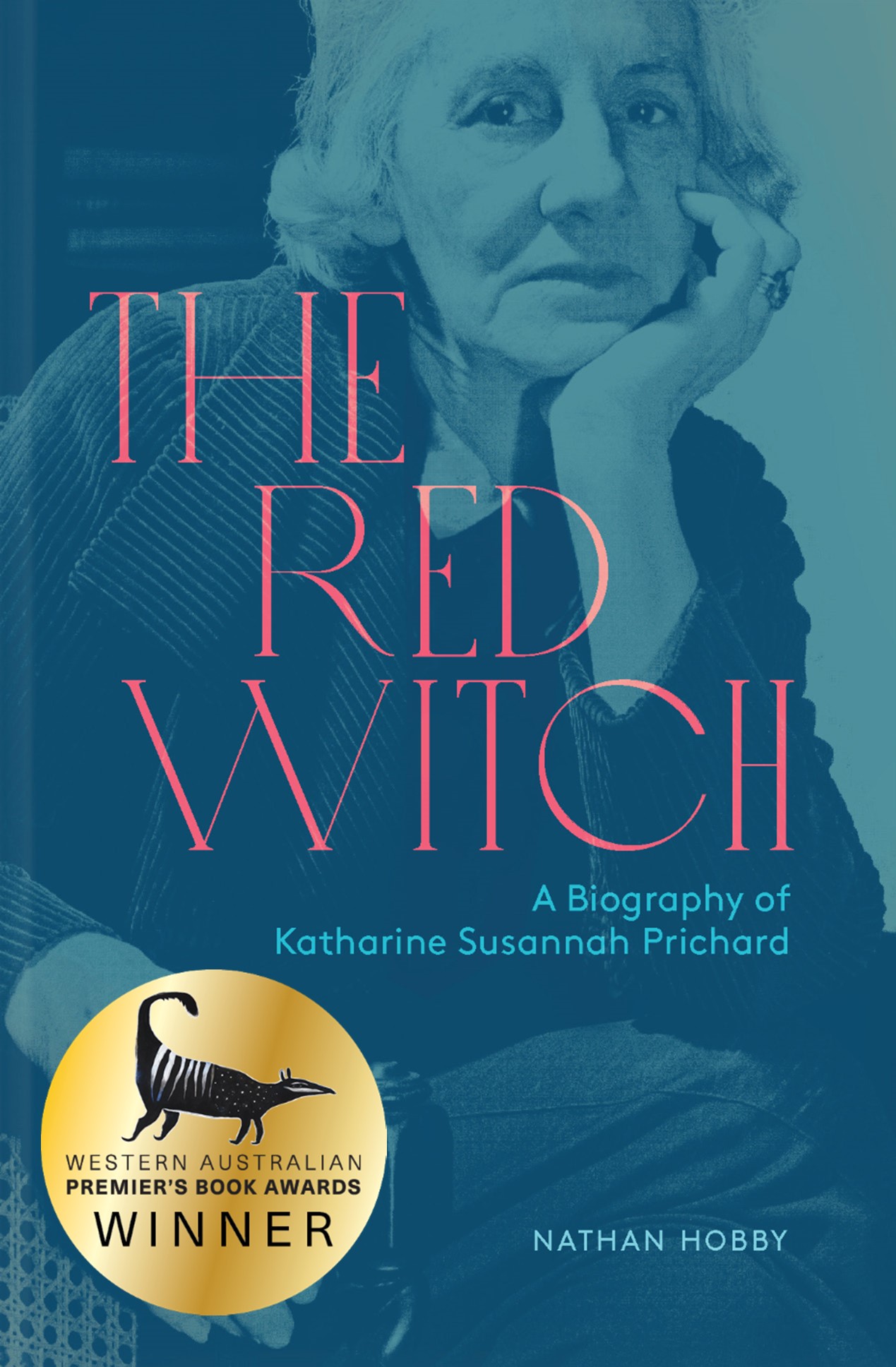
I’m giving a free talk about Katharine Susannah Prichard at Perth’s Dianella Library on 24 July. Thanks to Stirling Libraries and Community History for hosting me. If you live nearby, please come along. I will have copies of The Red Witch for sale at a special price.

The Life, Loves and Books of Katharine Susannah Prichard, the Red Witch of Greenmount
5pm, Wednesday 24 July 2024
Stirling Libraries – Dianella, Waverly St Dianella.
Free tickets: https://events.humanitix.com/the-red-witch-author-talk-with-nathan-hobby

Videos – John Curtin’s briefcase and a KSP talk

I talked about John Curtin’s briefcase for a short video on Curtin University Library’s Instagram account. It’s one of the treasures held in the John Curtin Prime Ministerial Library. You can view it here.

There’s also a video from my talk about Katharine Susannah Prichard to Glen Eira Libraries, organised by Glen Eira Historical Society. It includes a reading of a ‘deleted scene’ about her childhood in Caulfield from my biography.

John Curtin goes missing part 3: cinema technology in 1942

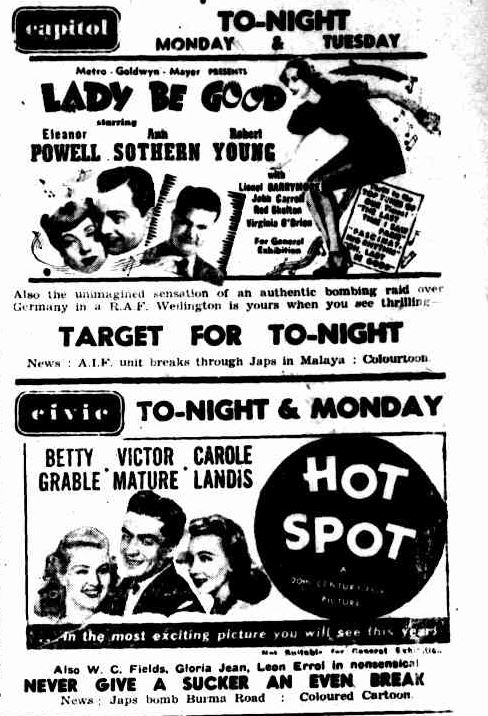
Could a Canberra cinema in 1942 have projected a message asking if the prime minister was there? This was a key question I had in assessing the story by John Burton that Curtin went missing on 21 February 1942 just as a crucial reply needed to sent to Churchill. I was thinking I must find someone with this kind of knowledge, but I hadn’t even thought of where to start yet. Then, arriving in my inbox, was the answer! Reader of this blog, Michael Piggott AM, had kindly asked Dr Ray Edmondson for me, and he gave a detailed answer:

Continue reading

The Death of the Author

Tags

Paul Auster has died. He is my favourite novelist. Being of a morbid disposition, I’ve been imagining this day for many years and now it’s true. I’ve been reading him for 25 years. Appropriately, there’s two versions in my memory of how I found him. In one version, I remember roaming the shelves of the Murdoch University library as a first year, picking books off the shelf serendipitously – which is not quite randomly – and once I picked up one of his books – perhaps Leviathan – and was hooked. In the other version, it was through my creative writing class I discovered him, an extract from The Invention of Solitude which I loved. Either way, I took out the Invention of Solitude after that and halfway through, I accidentally left it on a bench at the Perth Busport and had to pay $100 for a replacement (they did not replace it) and be reprimanded by a librarian. It was some years before I got to finish reading that beautiful memoir.

Continue reading

Free event: a chance to hear about Katharine Susannah Prichard and Ric Throssell in their old home

I’m talking about the lives of Katharine Susannah Prichard and her son, Ric Throssell, at 1pm, Saturday 4 May at the Katharine Susannah Prichard Writers Centre in Greenmount. Here’s a photo of my props! It’s a double act, with Professor Bobbie Oliver speaking about The Crime of Not Knowing Your Crime, Karen Throssell’s memoir of Ric’s battle against ASIO. It’s a rare chance to hear the story of Katharine and Ric in the house where they once lived. Karen’s book and my book, The Red Witch: A Biography of Katharine Susannah Prichard, will be on sale and afternoon tea is provided. You can book free tickets here.

Update on the origins of the John-Curtin-went-missing story

Picture: John Curtin in 1941. John Curtin Prime Ministerial Library, JCPML00376/133.

An update on my previous post. To recap, I thought I’d found two independent sources for the legend that on 21 February 1942, in the middle of the ‘cable war’ with Churchill about where returning Australian troops were to be sent, John Curtin went missing and, in the words of Peter Fitzsimons’ column last week, ‘Frederick Shedden organised for messages to be put up on screens in the city’s theatres around Canberra, broadly saying, if you are the Prime Minister, phone home’. One source is a 1995 interview with John Burton, who had then been head of External Affairs, and the other is an unreferenced lengthy quote labelled ‘Shedden’s words’ in a speech by David Black in 1998. But examining these two sources side by side, they are far too similar to be independent of each other. The sequence is exactly the same, the incidents included are exactly the same, and a couple of phrases are nearly verbatim.

Continue reading