
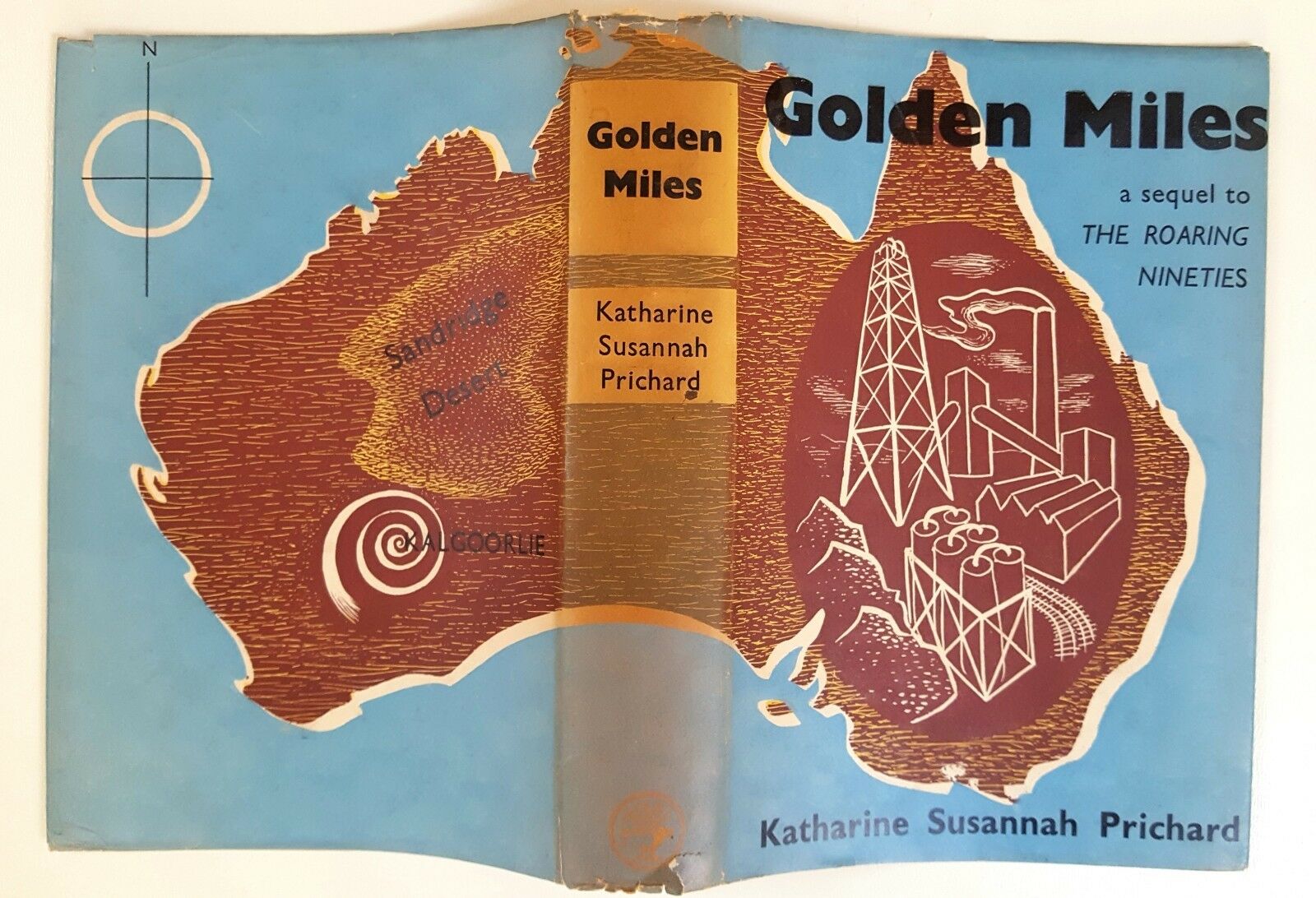
Katharine was actually born in Fiji, but both her parents had grown up in Australia. She loved Australia and spent her career trying to express its distinctiveness, seeking out the stories of the people and places of the country’s back-blocks.
She turned 18 in the year of Federation, 1901, and like many of her generation, saw Australia as the hope of the world – a newly-created nation which would leave behind the old hatreds and injustices of the old country and forge a more just society. Something changed for her in 1916-1917. She saw a country sending its young men off to die while the rich got richer. She fell in love with a socialist and endured the death of her beloved brother at the front. She came to see the hope of the world not in the gradual reform Australia had been undertaking but the revolution in Russia.
She never lost her love for Australia but for the rest of her life she carried a great disappointment in her country that only intensified as it moved further away from its early egalitarian impulses.
I started this A-Z of KSP on my Facebook author page to promote my forthcoming book. I thought I’d share it here too. You can find my Facebook page here

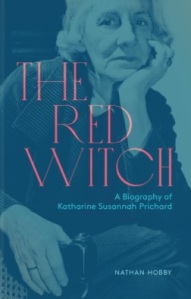 Having come to the end of Nathan Hobby’s superb new biography of Katharine Susannah Prichard (1883-1969), I’ve come to the conclusion that I would have liked her very much — but I’m not sure that she would have liked me! Despite all the circumstances against her, she was brave in contesting the prevailing political climate, tenacious in pursuing her craft as an author and generous to a fault. But she fell out with longstanding friends who didn’t share her political views and I probably would have been one of those.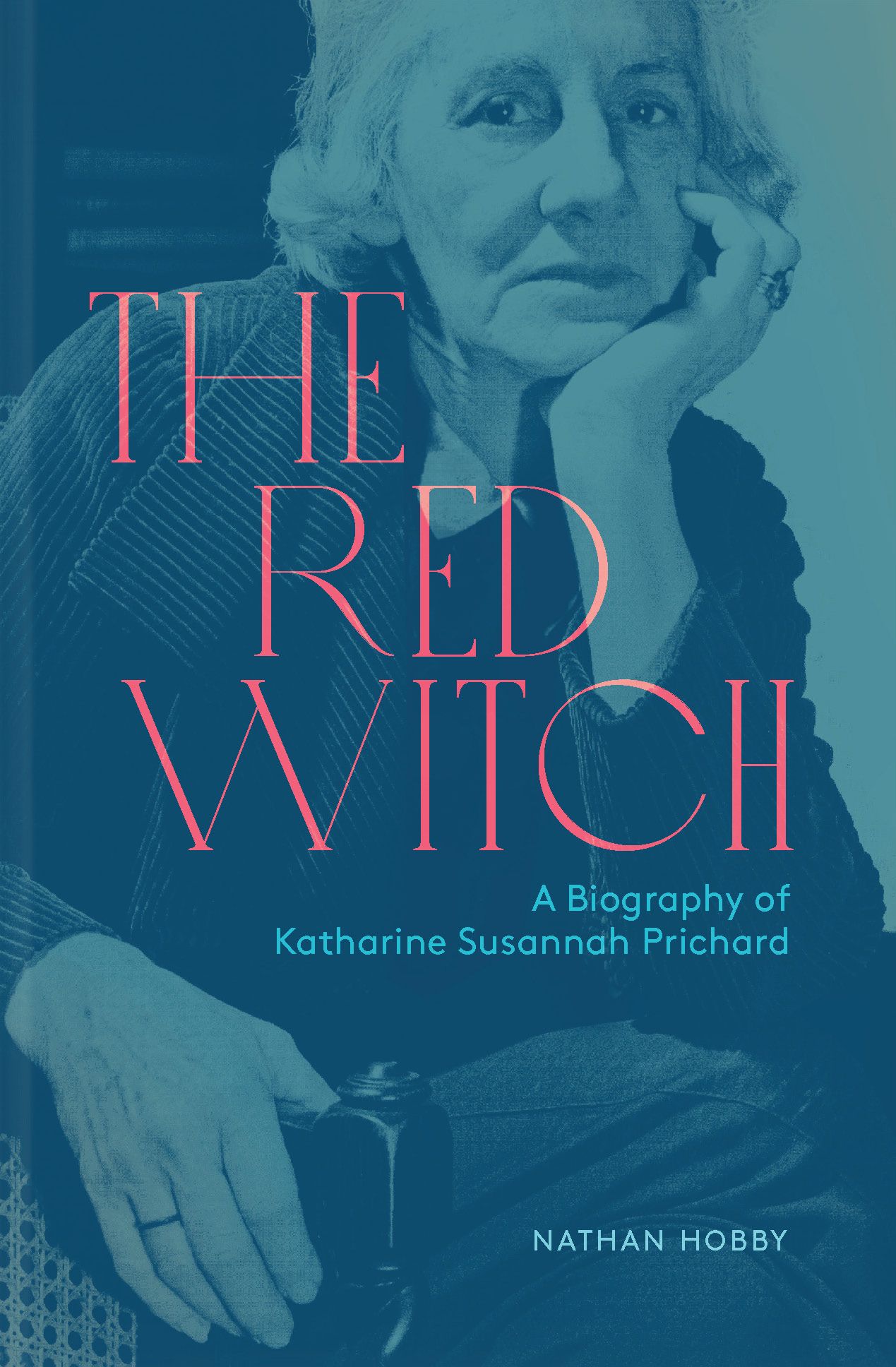


 Nathan Hobby, a biographer in Perth