
Tags
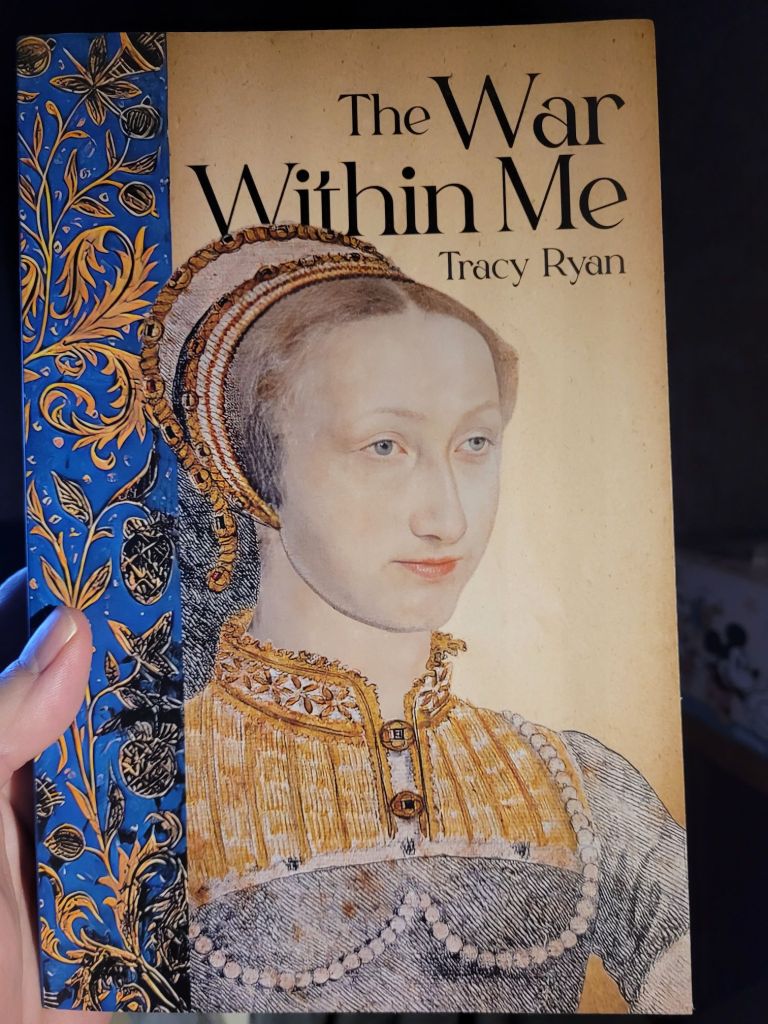
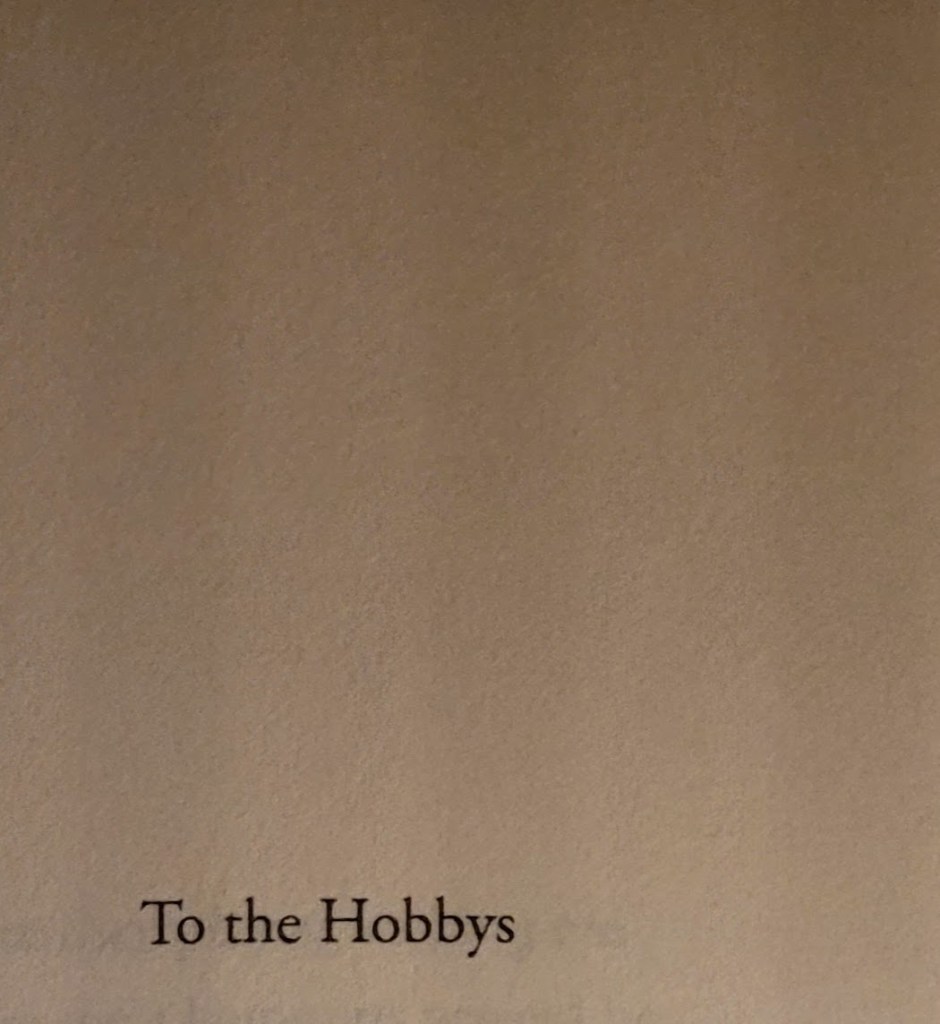
I’m honoured my family is the dedicatee of Tracy Ryan’s new novel, The War Within Me, published by Transit Lounge. It’s the second volume of the Queens of Navarre trilogy, each book told through the eyes of a successive 16th-century queen. This one is told by Jeanne d’Albret (1528-1572), fictionalising events as they happen from her teen years to the edge of her premature death, all against the backdrop of the French Wars of Religion.
The convincing first-person narration is one of the great achievements of this novel. Instead of the illusory divine perspective of an omniscient narrator, we experience events as someone – Jeanne – of the time would have. Many major events happen ‘off-stage’ and are only conveyed later by messenger or rumour. The waiting, the uncertainty – particularly for a royal woman living in a kind of gilded cage – are revealed as a key part of the experience.
More than that, Jeanne’s voice and characterisation are compelling and intriguing. Her Calvinist worldview is depicted without condescension or anachronism but also with the tensions and contradictions of real life – the pull of old loyalties and relationships, the vestiges of old beliefs, the memories of formative experiences. Any depiction of the era needs to take religion and faith as seriously as people at the time did, and this novel does so – yet not out of the author’s endorsement of it but instead a project to recreate the interiority of a past life.
The War Within Me wears its considerable research lightly. As I was reading, I was aware of the thanklessness or invisibility of good research in historical fiction. Biography research also needs to be worn lightly, but there’s references to show some of the working going on behind the scenes, and it’s possible to discuss the sources themselves. The illusion has to be more total in fiction and all this scaffolding is taken away.
I hope I can say without spoiling the plot that Jeanne’s death occurs in the middle of important events. It’s a literary challenge to fictionalise a life into the shape of a narrative, while also remaining true to the reality of death, which often happens without neat resolutions. In this case, there’s the added challenge of a first person narration, meaning the moment of death can only be anticipated, not fully narrated. The final chapter meets these challenges very well and I found it a moving conclusion to the novel.
 Nathan Hobby, a biographer in Perth
This is so interesting, Nathan. Thanks for sharing. Denise
LikeLike
Thanks for reading, Denise!
LikeLike