Katharine Susannah Prichard turned 142 yesterday. It’s her annual birthday celebration at the Katharine Susannah Prichard Writers’ Centre tomorrow, 6 December 2025, from 3pm to 6pm. I’ll be conducting a tour at about 4:45pm. Free tickets here.
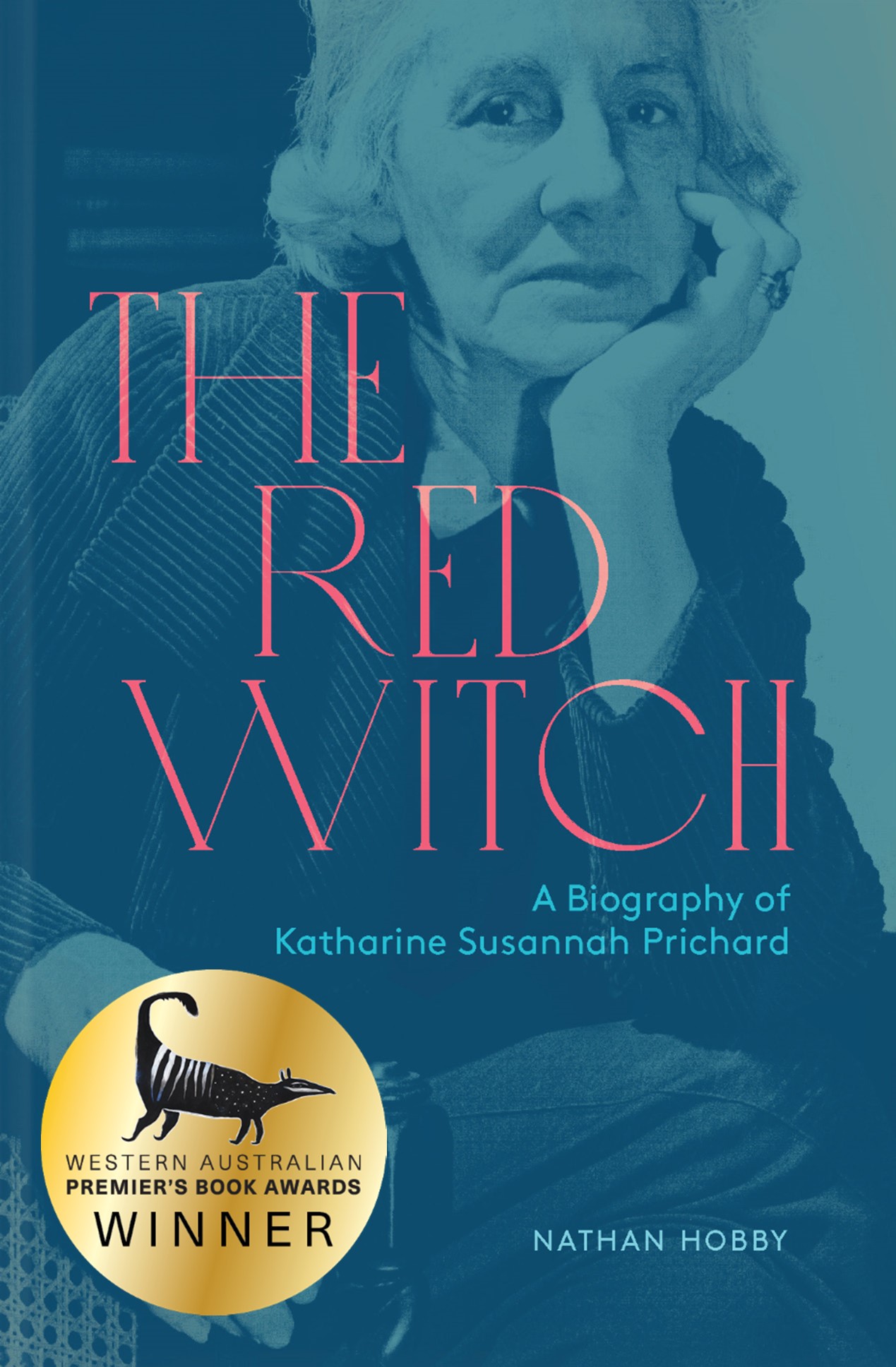
If you’re looking for a Christmas present for someone into Australian literature or history, my biography of KSP, The Red Witch, is available at a ridiculously low price online from Readings at the moment. Get your copy here.
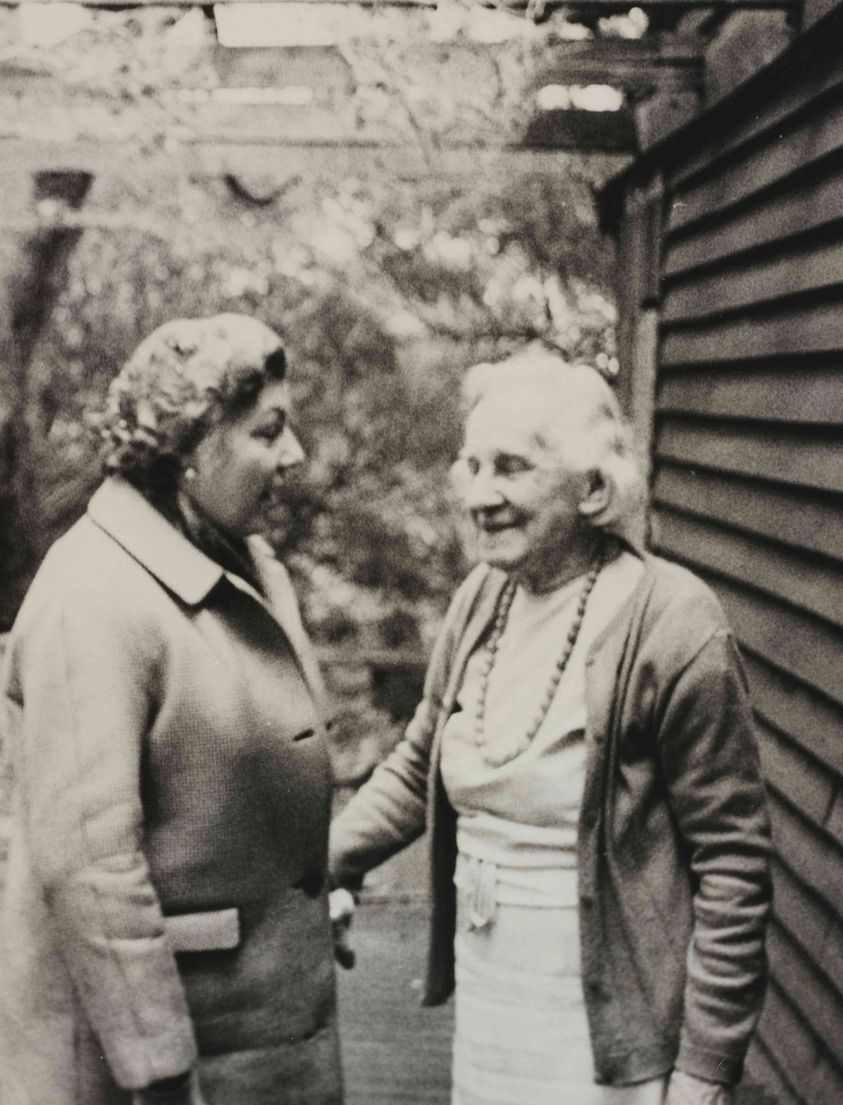
Photograph taken by John Gilchrist. Courtesy of SLWA.
My interview with Dr Gabriella Kelly-Davies about The Red Witch and the art of biography has just been released on the Biographers in Conversation podcast here. This podcast series is now in its third season and features Australian and international biographers. I am grateful to Gabriella for her commitment to biographers and her talents in drawing out insights about biographical choices, which extends the work she did in her PhD thesis and her own biography, Breaking Through the Pain Barrier: the extraordinary life of Dr Michael J. Cousins. If you’re interested in biography, I encourage you to subscribe to Biographers in Conversation.
I did a public speaking seminar last year at work, and I didn’t think it had made much difference – but listening to my interview, I eliminated my ‘ums’, which was a big focus of the seminar. Success!
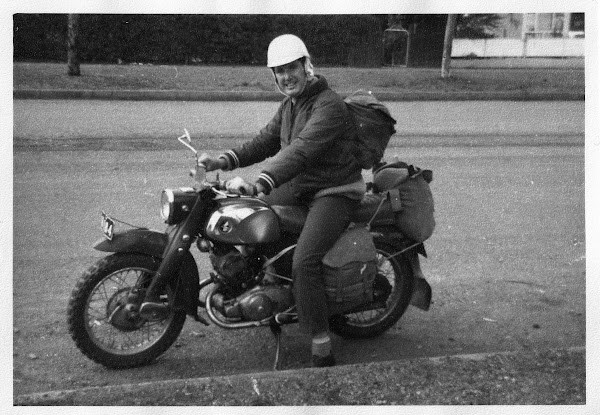
Griffith Watkins in Kalgoorlie, 1966. Courtesy Betty Brennan.
I came across Griff Watkins (1930-1969) for the first time in The Fremantle Press Anthology of WA Poetry, edited by John Kinsella and Tracy Ryan. It was a wonderful poem about a Perth heatwave in the 1960s which reminded me of W.H. Auden. The snippet of his biography intrigued me: he drowned himself in the Swan River at Claremont a couple of years after the publication of his debut novel, The Pleasure Bird. After that, I kept on running into him. I found out he’d taught at Collie Senior High School in the South-West, where I’d gone to school in the 1990s. I was visiting Murdoch University’s Special Collections and saw his papers on display. I read his novel and I loved it. I wondered if it would be possible to write a whole book about my quest for Griff, a book about posthumous obscurity, the more typical writerly life of moderate success and many failures, the hauntings of a literary ghost in Perth. But there wasn’t enough material and there wouldn’t be enough interest.
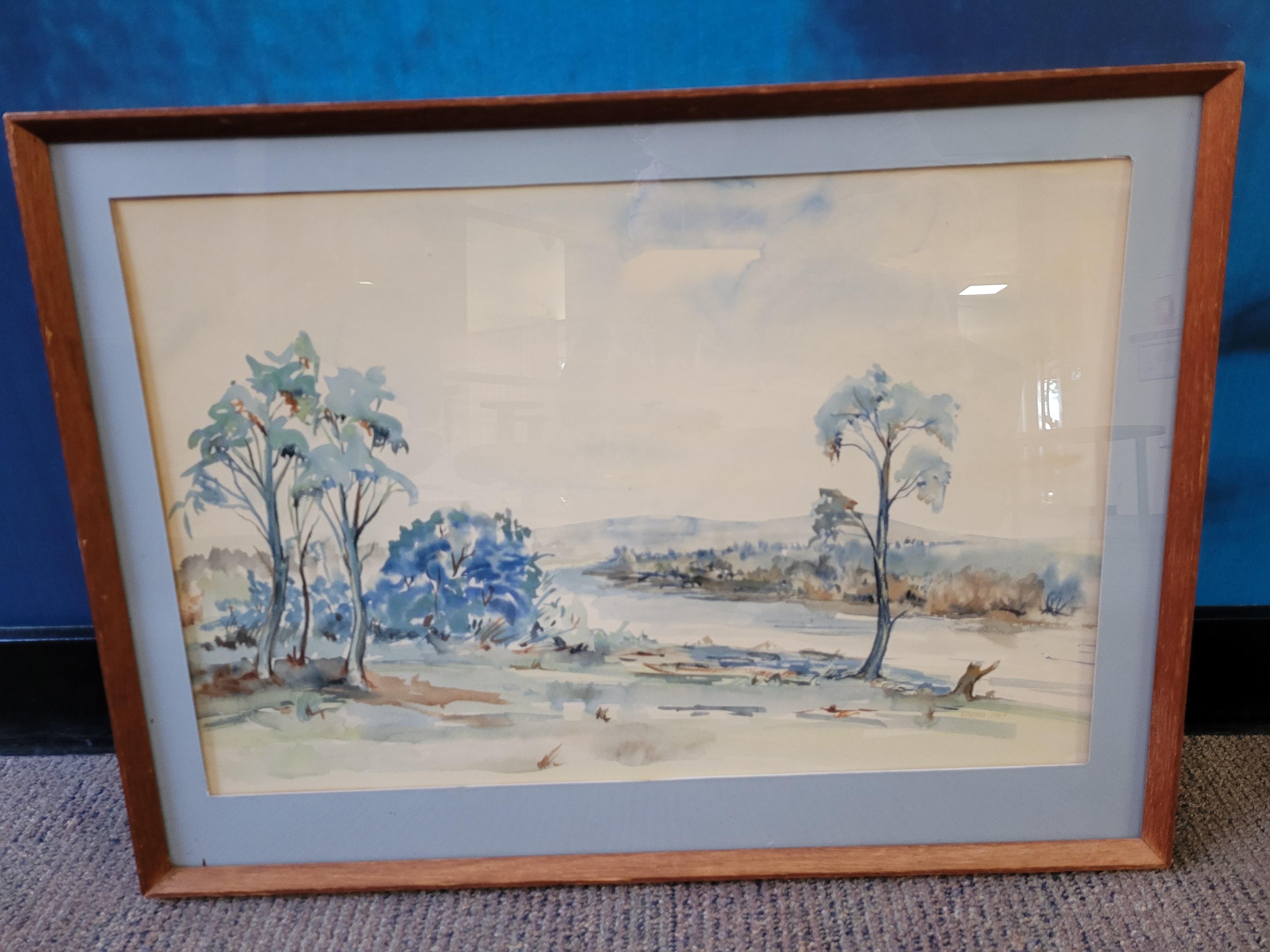
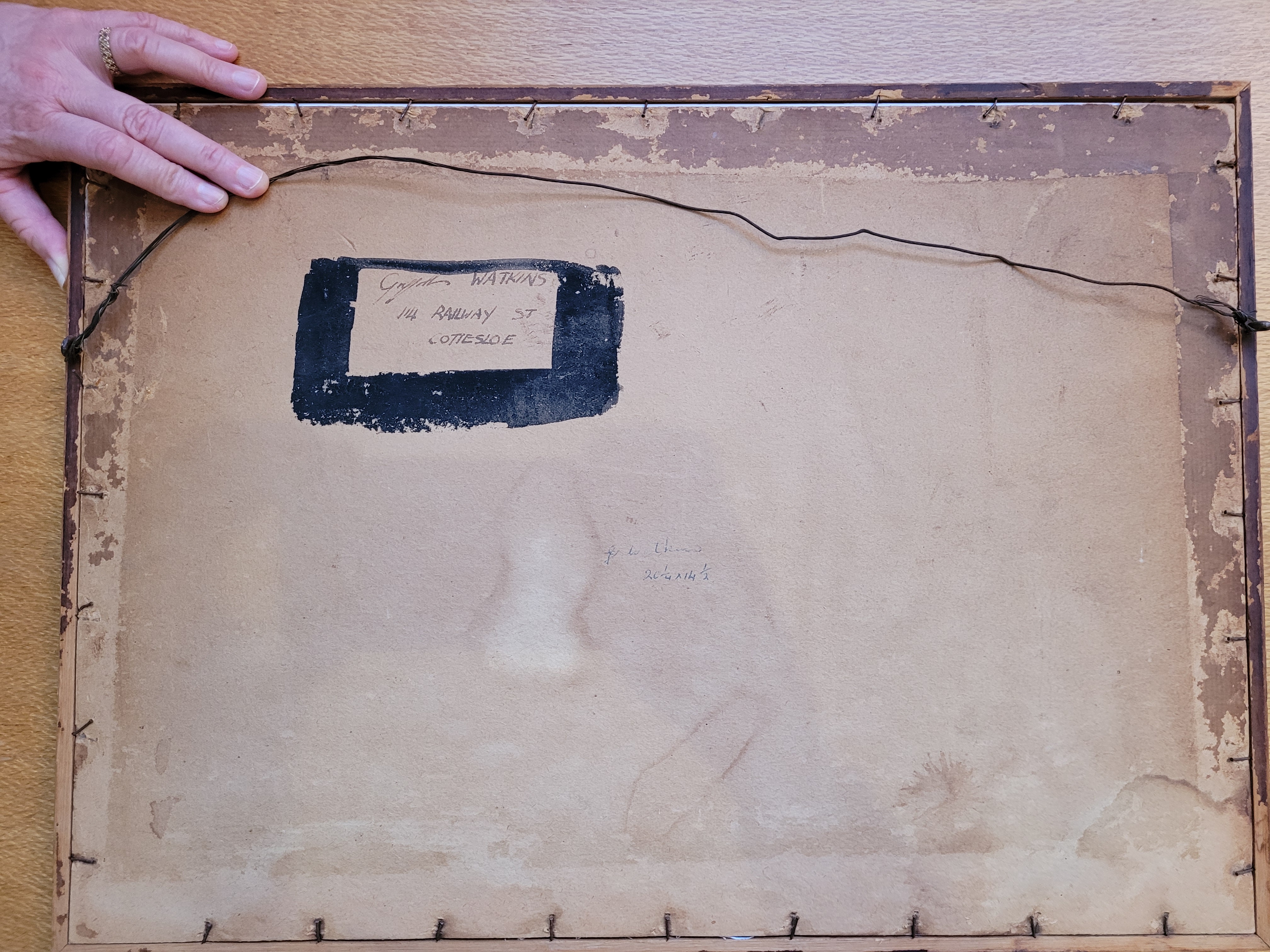
I was thinking of abandoning the project altogether when a PhD student named Mary asked me what I was working on. It turned out her mother, Betty, now in her late 90s, had taught with Griff in Collie. (Coincidentally, Mary’s sister, Pip, was also my mentee in the Four Centres Writing Program.) It was a sign. I interviewed Betty over the phone; she remembered Griff so sharply and insightfully. She had the beautiful photo, above, of Griff on a motorbike from his last visit in Kalgoorlie, and this painting of his (below) he had given her as a wedding present. The scale of my piece shifted: I would tell of my quest for Griff in a single creative non-fiction essay. It was published last year in Westerly 69.1 – my great achievement of 2024!
Some postscripts:
Mary read the piece to Betty, and said she enjoyed it. I was sad to hear of Betty’s death soon after.
I found out after I’d published that my great uncle, John Stanlake, going strong at 94 and an exact contemporary of Griff’s, had known him at Claremont Teachers’ College. I think the connections would keep piling up the longer I spent with Griff.
You can purchase Westerly 69.1 here. And you can read the manuscript version of ‘A Memorial Trail for Griff Watkins’ below.
I’m giving a free talk about Katharine Susannah Prichard at Perth’s Dianella Library on 24 July. Thanks to Stirling Libraries and Community History for hosting me. If you live nearby, please come along. I will have copies of The Red Witch for sale at a special price.
I’m talking about the lives of Katharine Susannah Prichard and her son, Ric Throssell, at 1pm, Saturday 4 May at the Katharine Susannah Prichard Writers Centre in Greenmount. Here’s a photo of my props! It’s a double act, with Professor Bobbie Oliver speaking about The Crime of Not Knowing Your Crime, Karen Throssell’s memoir of Ric’s battle against ASIO. It’s a rare chance to hear the story of Katharine and Ric in the house where they once lived. Karen’s book and my book, The Red Witch: A Biography of Katharine Susannah Prichard, will be on sale and afternoon tea is provided. You can book free tickets here.
I have a wonderful day job, working in the John Curtin Prime Ministerial Library, looking after our John Curtin collection and the other special collections of Curtin University Library. An upcoming highlight of my job is a rare opportunity to guide tour groups through the Curtin Family Home in Cottesloe. John Curtin, prime minister of Australia from 1941 to 1945, and his wife Elsie had the house built in 1923 and four generations of the family lived on there until 1998. It was purchased by the government and is looked after by the National Trust of Western Australia. Most of the year it is available to stay in as an Airbnb – but as part of the Australian Heritage Festival, it will be open for tours on 18 and 19 April.
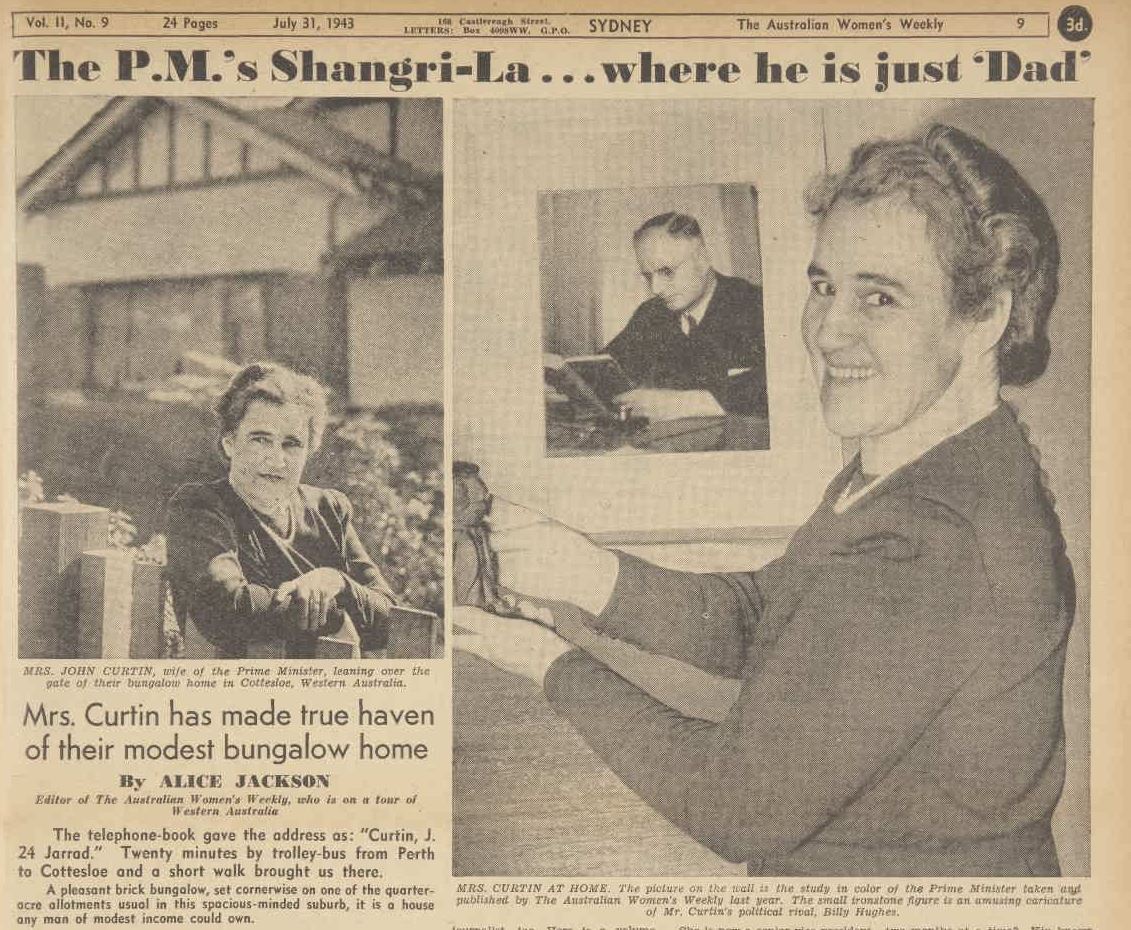
The house retains much of the feel of how it would have been in John Curtin’s day. ‘Shangri-La’ was an earthly paradise in the Himalayas in James Hilton’s novel Lost Horizon (1933). The Curtin Family Home isn’t that even in a metaphorical sense; the subheading of the Women’s Weekly article above is more true than the headline – ‘Mrs Curtin has made a true haven of their modest bungalow home’. The modesty of the house speaks to John Curtin and his prime ministership. He was a true believer with a vision of a better world who lived simply in accordance with his beliefs. He led by example in the austerity drive through the Second World War with Elsie as the face of the campaign and people knew of his sincerity and integrity. Yet being prime minister was difficult on the family, and some of the complexities show through in the depictions of life in the Curtin Family Home left by his children. Our tour uses oral histories, photographs, objects and contemporaneous glimpses in newspapers and letters to create a picture of a life both typical of the 1920s to 1940s in many ways and atypical in some important ways. It will give a sense of an ordinary extraordinary family and the strangeness of a prime minister hailing from this suburban house in Cottesloe.
Katharine Susannah Prichard was ambivalent about feminism because she didn’t think gender inequality could or should be addressed without tackling class inequality. Yet she was a shining example of a woman who broke free of the constraints placed on her by the patriarchy in the early twentieth century to achieve a stellar literary career. She also spoke at several International Women’s Day events between the wars. It’s fitting, then, that in a ceremony at Government House on 7 March, she was one of the inductees to the WA Women’s Hall of Fame posthumous ‘Roll of Honour’.
Katharine Susannah Prichard grew up mainly in Caulfield South and was shaped by Federation-era Melbourne. Her Melbourne backstory, and particularly her connection to the Glen Eira era, will be the focus of an upcoming talk I’m giving about my book, The Red Witch. It’s at 12pm AEST on Wednesday 15 May at Bentleigh Library in Melbourne (not to be confused with Perth’s Bentley library!). I will be appearing via Zoom – you can either watch with others in person at Bentleigh Library or via Zoom like me. The event is hosted by the Glen Eira Historical Society. I’m grateful for GEHS’s interest in my biography; I spent some time looking at GEHS’s collection to learn more about the area when I was in Melbourne in 2015 and they were very helpful. Bookings can be made here.
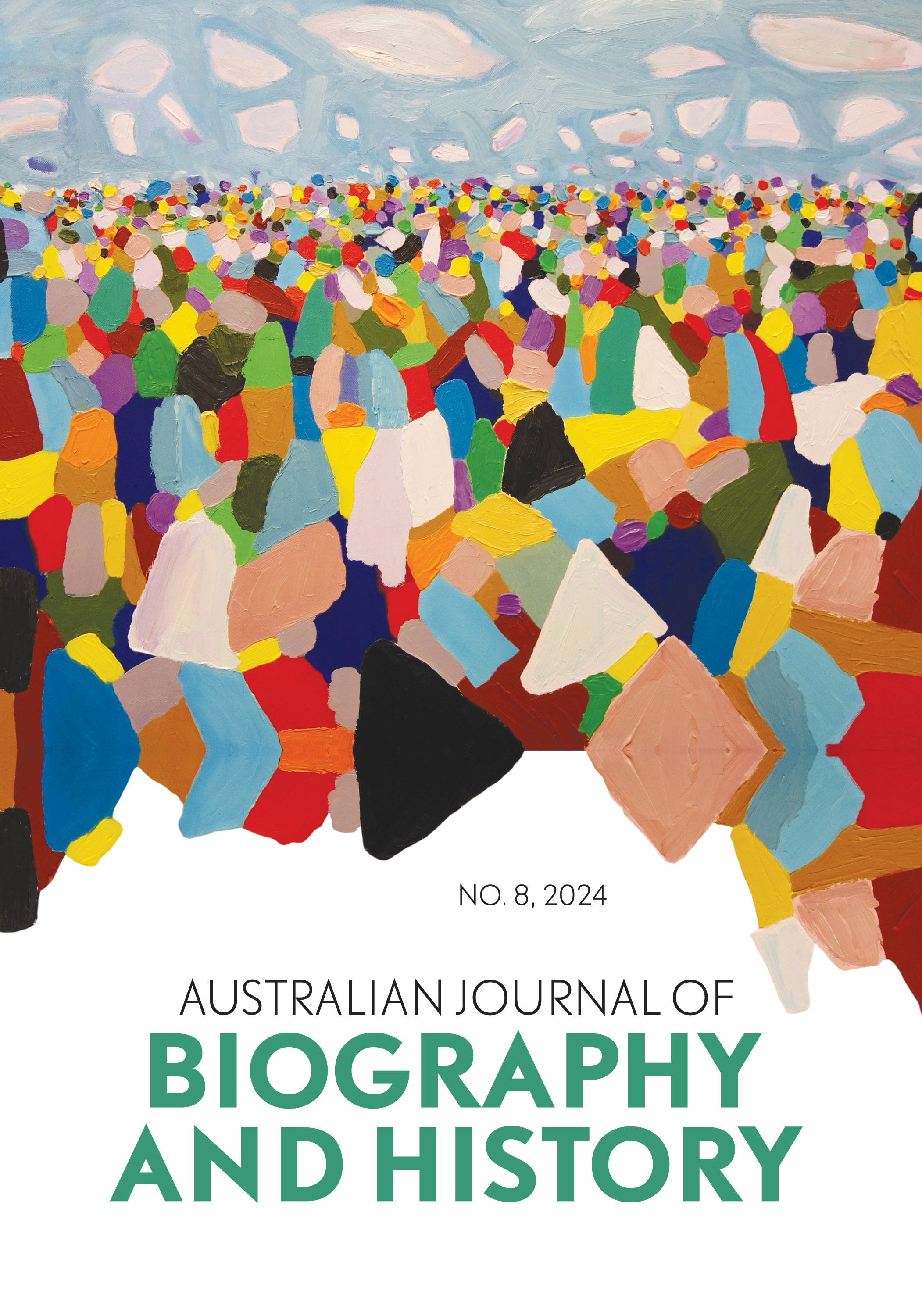
I’m glad reviews don’t come out all at once. The new issue of the Australian Journal of Biography and History has the most generous and engaged review by Dr Christina Spittel of my book, The Red Witch. Dr Spittel saw in my book so many things I was hoping readers would see. And her review shows such attention to the biographical process, its methods and ethics – a rare and wonderful thing! I’m so happy and grateful. You can read the review here. This new issue of AJBH is so full of interesting articles on biography and reviews of recent releases – the full open-access contents is here.
I’m giving two talks on the life of Katharine Susannah Prichard in this coming week and I would love to see you there.
Swan Guildford Historical Society Monday 12th February, 7pm for a 7.30pm start. Location: St Matthew’s Hall, Stirling Square, Meadow Street Guildford This is the monthly meeting of the society and guests are welcome.




 Nathan Hobby, a biographer in Perth