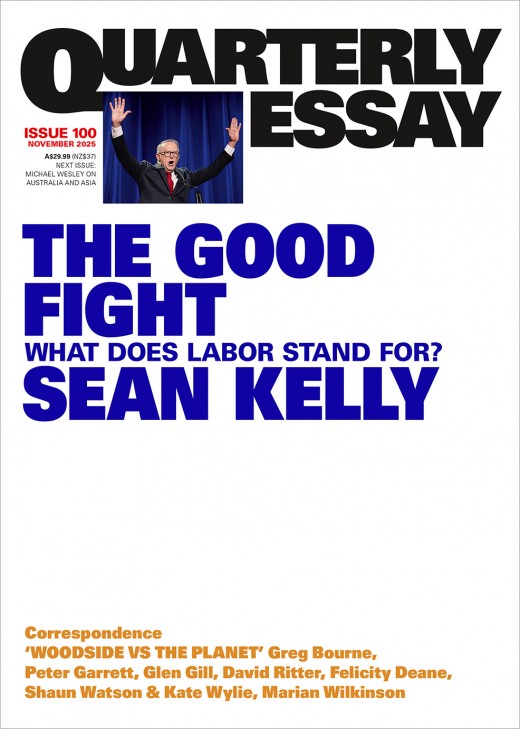
What a treasure Quarterly Essay is. Great Australian essayists engaging with politics and culture in style. The 100th quarterly essay is by Sean Kelly, who wrote my favourite book about Australian politics, The Game: A Portrait of Scott Morrison. In this new book, The Good Fight: What does Labor stand for? he is engaging with an ally, Anthony Albanese, and I can imagine the anguish as an insider turned freelance writer must say the hard things. As always, Kelly brings a literary sensibility, starting with Kafka and ending with Ferrante.
Hector Harrison (1902-1978) was a prominent Presbyterian minister who led St Andrew’s Church in Canberra from 1940 until his death. He was friendly with Prime Minister John Curtin and Fred Whitlam, father of Gough Whitlam, who was a member of his congregation. There’s a striking scene from Harrison’s oral history at the National Library recounted in Dr Margaret McLeod’s new biography: Harrison is giving Whitlam senior a lift home from the 4th July celebrations at the American Embassy in 1945 and Whitlam reveals that the editor of the Canberra Times had just told him John Curtin wouldn’t last the night. Harrison walked across the paddocks to the Lodge and was, eventually, admitted to see Curtin, hours before his death. At Curtin’s request, Harrison conducted the funeral.
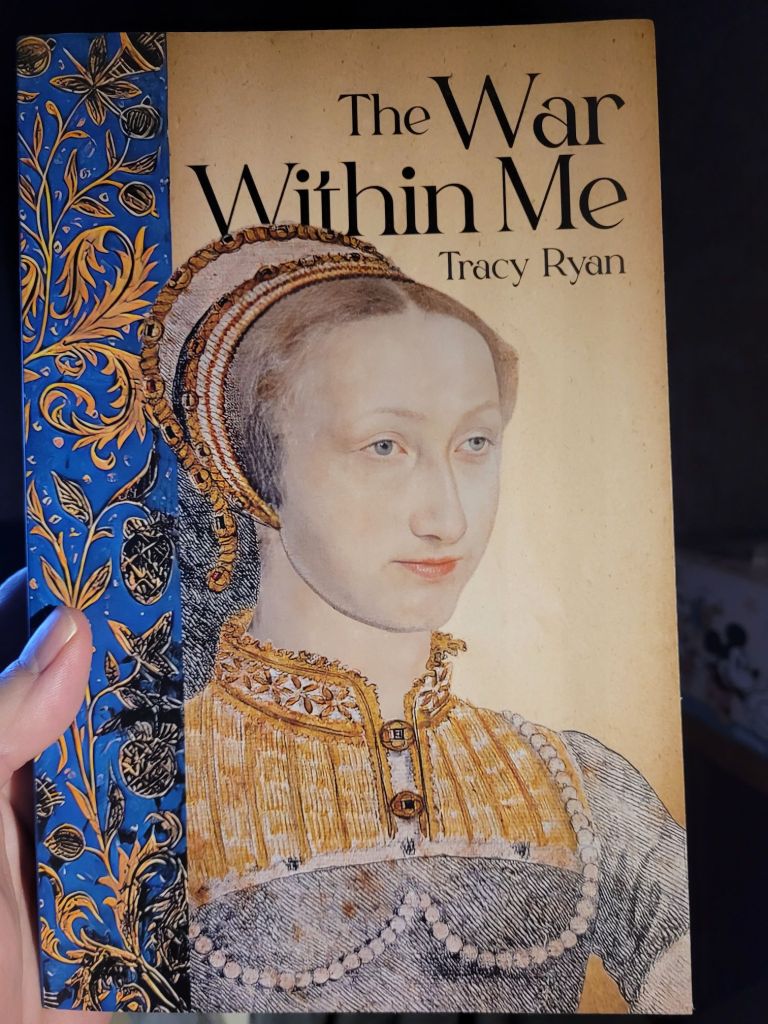
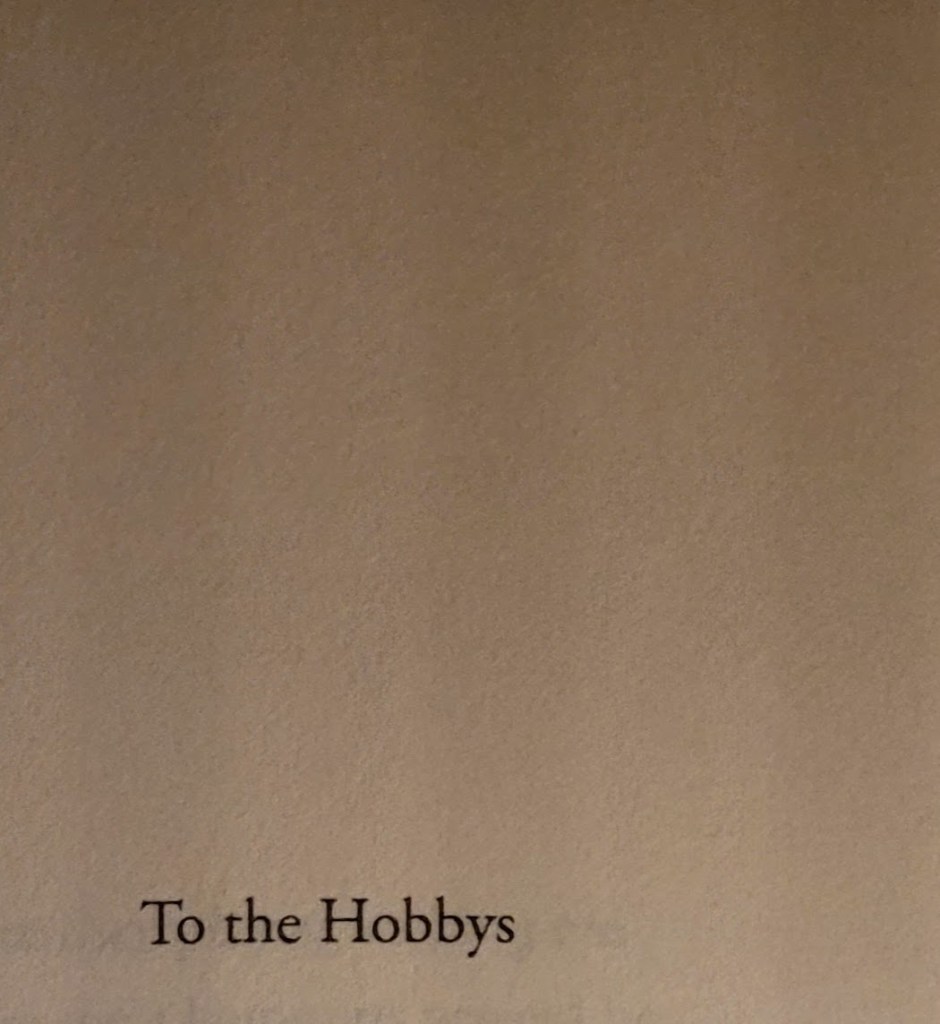
I’m honoured my family is the dedicatee of Tracy Ryan’s new novel, The War Within Me, published by Transit Lounge. It’s the second volume of the Queens of Navarre trilogy, each book told through the eyes of a successive 16th-century queen. This one is told by Jeanne d’Albret (1528-1572), fictionalising events as they happen from her teen years to the edge of her premature death, all against the backdrop of the French Wars of Religion.
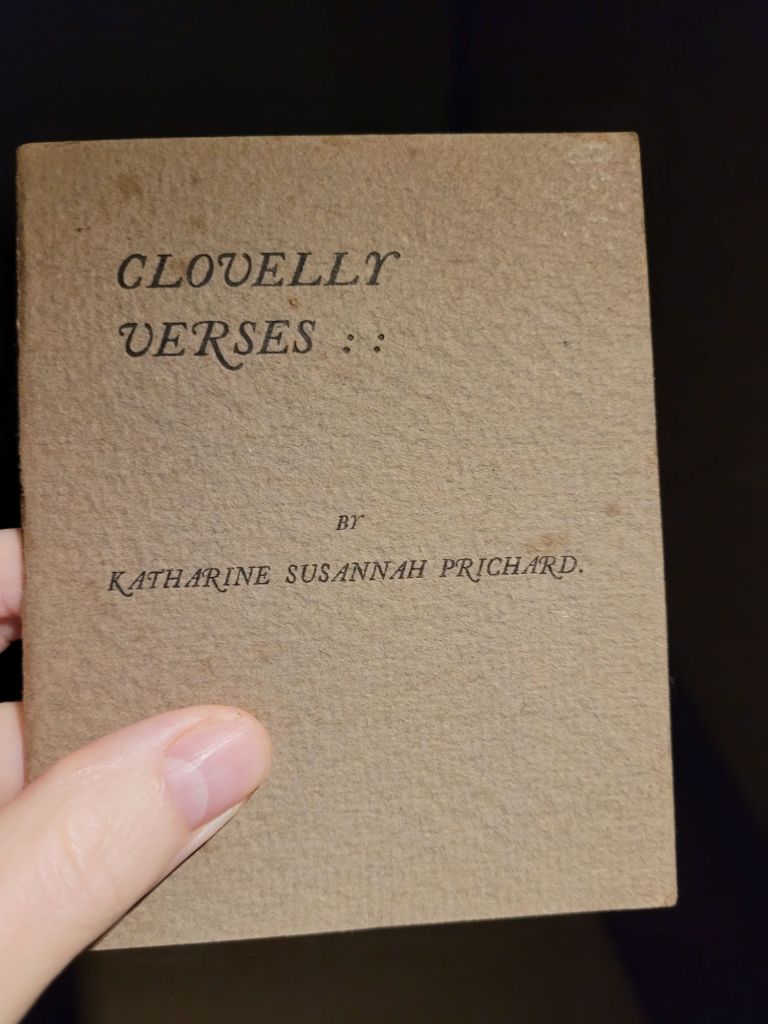
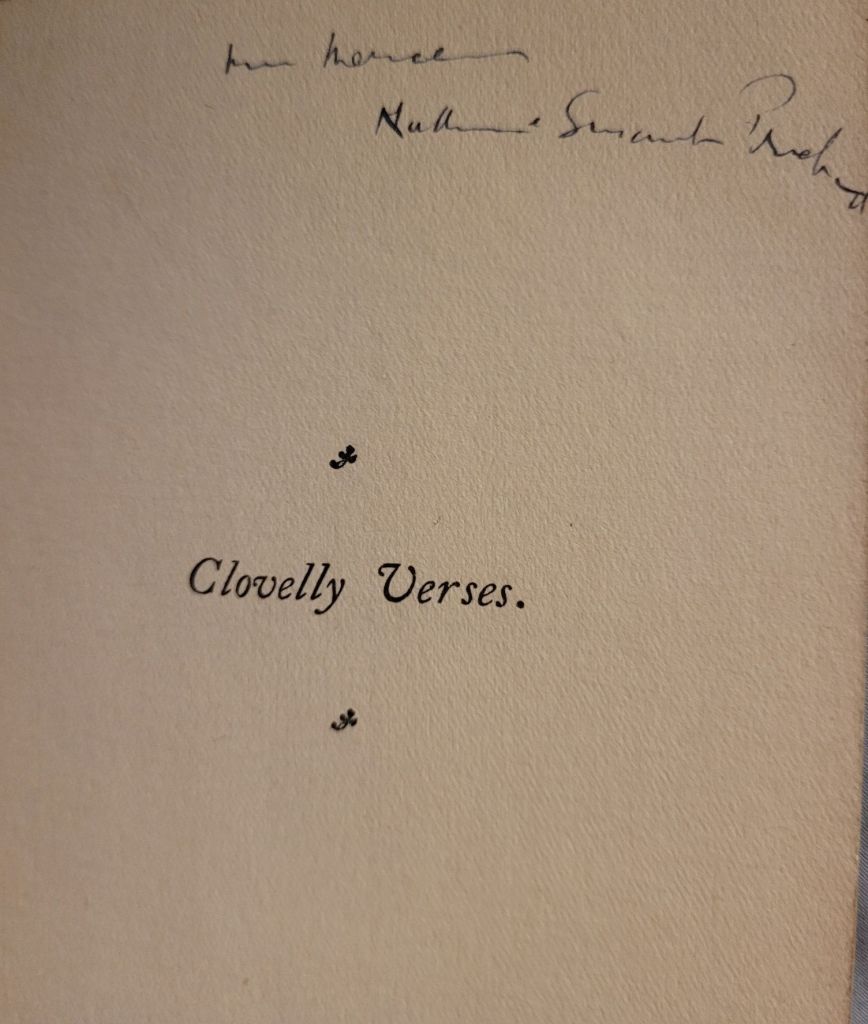
I’m only missing a few Katharine Susannah Prichard books from my collection and so these days filling in a gap is rare – and often expensive. I wasn’t expecting to come across a copy of Clovelly Verses, especially not at a price I could stretch to. But there it was in my Ebay alerts for $200.
Clovelly Verses was Katharine’s first book, a tiny pamphlet of conventional nature poems privately printed in 1913 while she was living in London. ‘Let me not forget / Each tiny floweret / Which in the hedgerow grows’. It was an undistinguished debut, if it could be considered that, but it pleased the dedicatee: her mother.
Katharine would hand copies out to friends and people she met. She gave one to the playboy socialist, Guido Baracchi, when she met him on the boat from Columbo to Australia in the last days of 1915. He thought it was brilliant and nearly 60 years later, after Katharine’s death, he told her son he would pay anything for a copy; his had been borrowed and not returned.
I’m not sure of this inscription in my copy – I think it will remain a mystery. Katharine has also made a couple of hand corrections to poems.
I’ve seen the book twice before. The first time, at the National Library, an uncatalogued copy was slipped in a file of other items. A secret copy to greet future researchers. The second was in a private library of the son of a friend of the family. It had a lengthy dedication and a letter from Katharine’s son slipped inside it.
A consequence of my acquisition: I’m now checking Ebay far too often, greeted by alerts from a seller eagerly relisting a 1980s KSP paperback each week.
When Kim E. Beazley (father of the Labor leader) died in 2007, he left behind the manuscript of a memoir, Father of the House. It was published posthumously by Fremantle Press in 2009, edited by the wonderful Janet Blagg, who also worked on my first book. Beazley emerges in the pages of this memoir as a principled politician, and an uneasy Laborite. He succeeded John Curtin as the federal member for Fremantle after Curtin’s death in 1945; he was only 26 and he was to remain in parliament though the entire winter of opposition for Labor from 1949 to 1972, before finally retiring in 1977.
I’ve started writing a new biography but I still have some doubts, so I’m not ready to announce it yet. But I’ve re-read Nigel Hamilton’s How To Do Biography: A Primer (2008) as part of my process. I first read it just as I began writing the Katharine Prichard biography and it’s been a great refresher a decade later. One of the joys of this book is his dedication to the art of biography and his strong rebuttal of the criticisms which are made of the genre. There’s a sense of having a well-armed ally on my side.
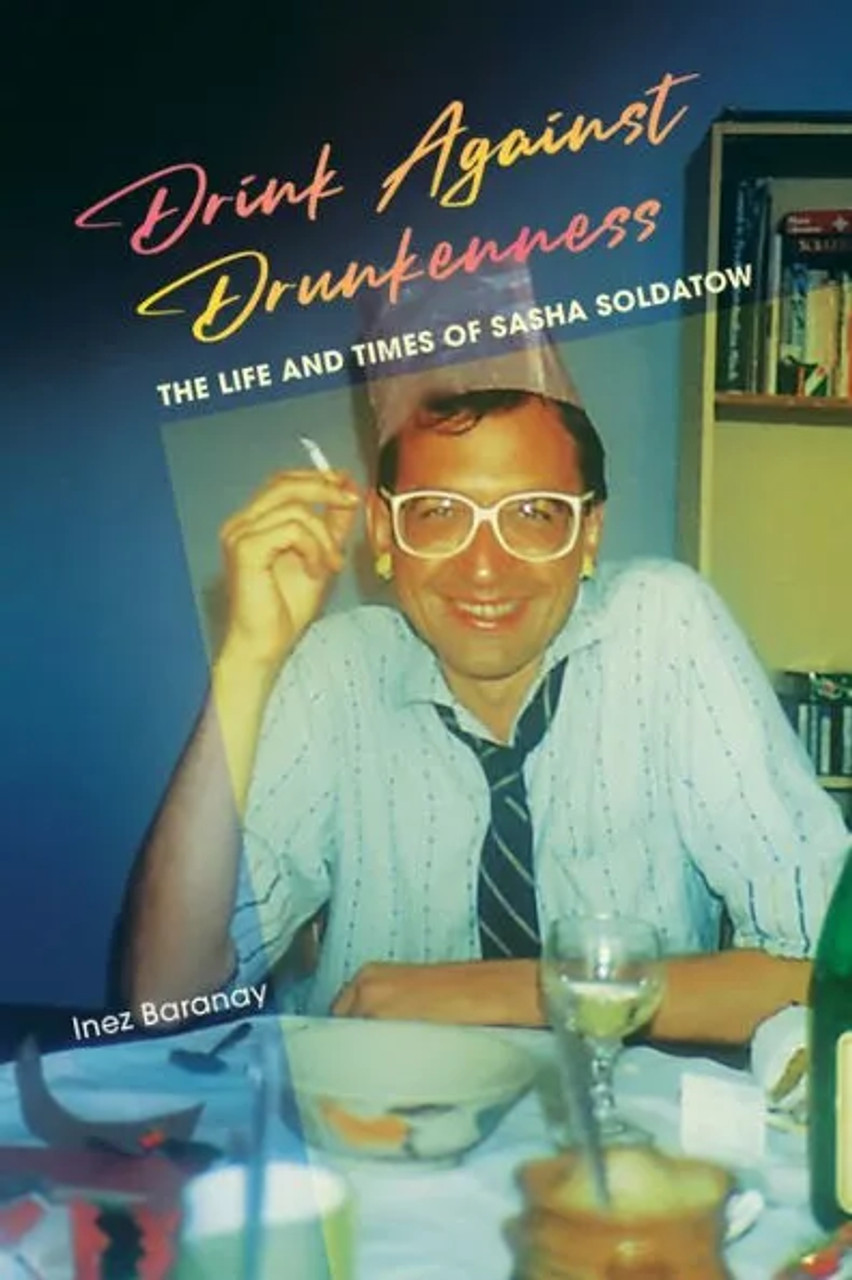
Drink Against Drunkenness: The Life and Times of Sasha Soldatow Inez Baranay 2022, 508pp, RRP $39.99.
Last year I chanced upon a newspaper clipping from 1990 about the writer and activist Sasha Soldatow (1947-2006) suing the Australia Council over him not being awarded a fellowship despite many applications. It led me to David Marr’s intriguing obituary for the man. ‘To fall in with Sasha at this time was a life-shaking experience. He marched and drank under the banner of Liberty… The deal he offered was this: place yourself in my hands, and I will set you free.’ I commented on Twitter that someone should write Soldatow’s biography. It turns out someone had been! Drink Against Drunkenness: The Life and Times of Sasha Soldatow is a labour of love by his friend, the writer Inez Baranay, author of 14 previous books.
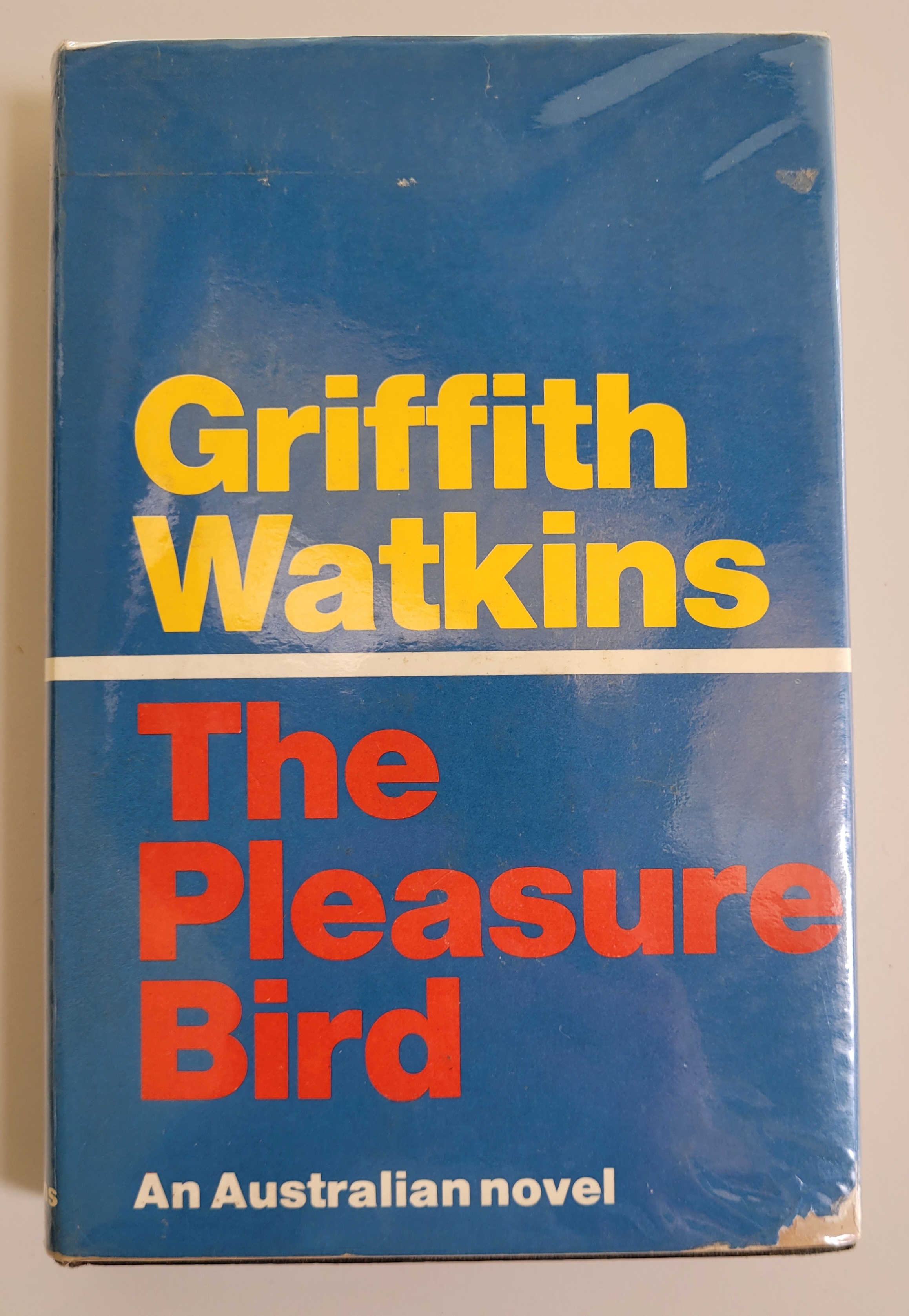
Griffith Watkins (1930-1969) caught my attention in 2017 with his brilliant poem “Heatwave” selected by Tracy Ryan and John Kinsella for The Fremantle Press Anthology of Western Australian Poetry. I was drawn to the tragic outline of his life: a promising writer and popular art teacher who drowned himself in the Swan River two years after the publication of his debut novel. I’ve been meaning to read that novel for years and now I finally have.
The Pleasure Bird (1967) is an existential novel set in Perth. The novel’s hero, Brenton, is a teacher in his twenties obsessed with art, boxing, sex and death. Watkins piles tragedies onto Brenton’s shoulders. At age 12, he found his war veteran, former boxing champion father hanging in the shed. His mother became a cleaner to provide for Brenton and his brother, Frank, before her early death from cancer. A year before the novel begins, Frank is killed in the boxing ring when his opponent, Mick Gabriel, fights dirty. Mick Gabriel went to prison for three months; he’s out now and Brenton is determined to have his revenge.
Some brief notes on Leaping into Waterfalls: The Enigmatic Gillian Mears (Allen and Unwin, 2021), Bernadette Brennan’s excellent, fast paced biography of Australian writer Gillian Mears (1964-2017):
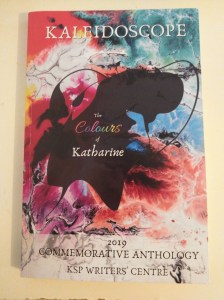
Today is the 51st anniversary of Katharine Prichard’s death. As part of the commemoration of the fiftieth anniversary last year, the KSP Writers’ Centre published an anthology called Kaleidoscope, collecting creative non-fiction, fiction, and poetry about Katharine, her husband Hugo Throssell, and their house in the hills of Perth, now the home of the centre. The published pieces were the best entries in a competition; Shey Marque judged the poetry and I judged the non-fiction and fiction. The standard was high and the collection is a significant interpretation of Katharine and her legacy, as well as a good read. I wrote in the judge’s report, ‘
Katharine was a complex person with many aspects to her life and a writer with a diverse oeuvre. This multi-voiced anthology captures some of that diversity and honours her political commitment to the collective. It moves across genres, across countries, across decades, beyond the span of her own long life into the fifty years since her death and even into the future.
It includes a moving fictionalisation of Hugo’s last moments through his eyes, the story of a mother giving birth in Fiji, where Katharine was born, and Denise Faithfull’s intriguing account of her literary pilgrimages in the footsteps of James Joyce and Katharine. I contributed a brief biography of Katharine’s life as an introduction. Katharine’s granddaughter, Karen Throssell, launched the book and her wonderful speech can be read here.
It’s a hard book to get hold of, but worth the effort. The first print run sold out on the launch day, but I believe there has been a second print run. To buy a copy, you can contact Wild Weeds Press at the KSP Writers’ Centre – wwp-admin@wildweedspress.com. Not sure of the price, but $20 or $30 plus postage, I think.


 Nathan Hobby, a biographer in Perth