• About
  • The Red Witch: A Biography of Katharine Susannah Prichard
  • My novel: The Fur

Nathan Hobby, a biographer in Perth

~ The lives of John Curtin & Katharine Susannah Prichard, the art of biography, and other things

Nathan Hobby, a biographer in Perth

Author Archives: Nathan Hobby

“That’s the only intelligence I shall convey to you except by word of mouth”: the difficulty of biography

04 Friday Jul 2014

Posted by Nathan Hobby in quotes, the nature of biography

≈ Leave a comment

Tags

Charles Dickens, Peter Ackroyd

He went down with Catherine to see his parents at the cottage in Alphington which he had found for them. “They seem perfectly contented and happy,” he told Forster. “That’s the only intelligence I shall convey to you except by word of mouth.” In that last sentence, of course, lies all the difficulty of biography, for how is it possible now to guess at what passed by mouth, by the sudden expression or by the unintentional phrase? The whole meaning of a life may be evoked in such moments which cannot now be reclaimed – like the life itself disappeared utterly, leaving behind just written documents from which we can only attempt carefully to reconstruct it. But the biographer does know some things which may not even have been clear to Dickens himself as eagerly he moved forward through the world, each day a new confirmation and extension of his being; we know that the parents were not happy, for example, and that John Dickens would soon be forging bills with his son’s signature.

– Peter Ackroyd, Dickens, 314.

In this excerpt, Ackroyd acknowledges the pain of the gap, of the clue in Dickens’ letter that he had something significant and sensitive to say which is now unrecoverable. (Ackroyd exaggerates; there are so many other difficulties too!) When Ackroyd talks of the ‘meaning of a life’, he is suggesting that the ‘true’ self is not the one presented in the documents which have survived. (But he probably means an inner state more than anything, and that may not be conveyed truthfully verbally either.)

Ackroyd also notes the consolation of a biographer – of knowing what will come, of knowing things about ‘characters’ in the subject’s lives which the subject does not yet know or may never know.

Pre-humous hell: the days before sentencing

01 Tuesday Jul 2014

Posted by Nathan Hobby in politics and current affairs

≈ 4 Comments

Tags

Judgment Day, Rolf Harris

At eighty-four, he was confident the earthly verdict upon him had already been delivered. If there was a Last Judgment, surely it was the other side of death. Earthly life was secure.

But instead, judgment comes now. He is cast into a kind of pre-humous hell. Others will visit him; news of the living will reach him; but there will be little to hope for.

*

What can he do, sent home on bail, awaiting sentencing? This house he will not return to? This freedom he will not taste again? There’s so many things he could do; the email and the letterbox bursting with both hate and those few hanging on loyally, defenders to be thanked and share commiserations with. Oh, the letters can wait until prison.

But going out to dinner to his favourite restaurant on the Thames is unthinkable. The disdain of the waitstaff, the stares of the other diners. The journalists turning up. The food would stick in his throat; this world has already passed.

There is nowhere he can go, nowhere he can escape. He won’t see Perth again, certainly won’t be cheered into Bassendean with the keys to the town. Because he made himself ubiquitous (remember that sketch from The Goodies where the Rolfs take over the countryside?) his shame is ubiquitous, he wears the mark of Cain wherever he goes.

*

How would this story have panned out with the same beginning, the same middle, but a different end? How many repentant celebrity offenders have we ever known? What would the world do with an offender who saw clearly, who repented, who humbly confessed?

In truth, there could be a little grace, a little forgiveness – with some people – but not a great deal. He has crossed some threshold. The drug cheat, the alcoholic, even the adulterer are redeemable; but not the sex offender.

Bold or careless?

01 Tuesday Jul 2014

Posted by Nathan Hobby in biographical method, quotes

≈ 1 Comment

Tags

Charles Dickens, Peter Ackroyd

There is a deep resemblance always between a writer and his work, but it has nothing to do with his expressed opinions or sentiments; it is rather that the form of his work embodies the form of his personality.

– Peter Ackroyd, Dickens, 232.

It’s sentences like this that got Ackroyd in trouble with some reviewers when his monumental biography of Dickens appeared in 1990. It takes a boldness or carelessness to make pronouncements and generalisations like this one. I can think of possible ways in which he’s wrong about particular authors, but it also has a feel of truth; in this case, he is talking of the ‘variegated mixture’ of ‘humour; poetry; declamation; melodrama’ in not just Oliver Twist but all of Dickens’ novels. To extend the idea: Borges is enigmatic, brief, timeless. Auster is playful yet intense, full of life’s strangeness. Oh, this is getting very subjective. Counter-argument: we mainly know authors through their work; the ‘resemblance’ is inevitable and misleading. But maybe Ackroyd has a right to his judgement, given the preface tells us that he’s read every extant letter etc of Dickens.

‘Might have been’: speculation in the biography; also, reading fiction autobiographically

19 Thursday Jun 2014

Posted by Nathan Hobby in biographical method, biographies of writers, artists and musicians, reading report

≈ 3 Comments

Tags

Charles Dickens, John Updike, Peter Ackroyd, reading fiction autobiographically, speculation

In the first chapter of his biography of Charles Dickens (1990), Peter Ackroyd describes the death of Dickens’ infant brother and comments:

If the infant Charles had harboured resentful or even murderous longings against the supplanter, how effectively they had come home to roost! And how strong the guilt might have been. Might have been – that is necessarily the phrase. And yet when the adulthood of Dickens is considered, with all its evidences that Dickens did indeed suffer from an insiduous pressure of irrational guilt, and when all the images of dead infants are picked out of his fiction, it is hard to believe that this six-month episode in the infancy of the novelist did not have some permanent effect upon him. (18)

What are we to make of this technique, ‘might have been’? Probably, the ‘might have been’ will not be justified again (‘that is necessarily the phrase’) throughout the long tome of a biography. ‘Might have beens’ make for interesting reading – what is a biography without speculation? But ‘might have beens’ need to be made by a biographer who is fair and insightful and knowledgeable. (And I suspect Ackroyd has those qualities.)

Note also the appeal to Dickens’ fiction; every literary biographer does this; Adam Begley overdoes it in his new biography of John Updike, every scene from Updike’s life explained by a story or novel he wrote. It’s a dangerous business; so far Ackroyd does it in a suggestive and interesting way. But we’re all meant to know Dickens’ work, and he can refer ahead to characters like David Copperfield, Oliver Twist, etc – what of the writer people are not so familiar with – like KSP?

Louisa: the limits of biography

17 Tuesday Jun 2014

Posted by Nathan Hobby in biographies of writers, artists and musicians, book review, role of the biographer within the biography

≈ 4 Comments

Tags

19th century, Australian literature, Brian Matthews, Louisa Lawson, postmodernism, sources

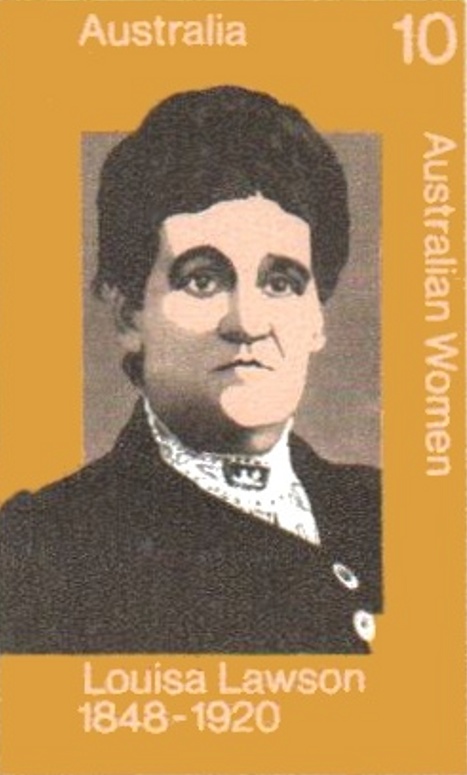
Louisa_Lawson_Stamp

Brian Matthews, Louisa (Melbourne: McPhee, 1987)

Louisa is both an anguished reflection on biography and its problems and the story of the life of Louisa Lawson, mother of the more famous Henry, but a significant Australian literary figure herself, as editor of a woman’s journal, Dawn, and as poet and suffragette.

Frustrated not only by the gaps in the record but also by the inherent limits of biography as a genre, Matthews interrupts what is often a conventional (but good) biographical narrative with an alternative text, the reflections of ‘Owen Stevens’, Matthews’ alternative self:

Owen Stevens, the biographer’s untrammelled self, will say, do, essay and gainsay all those things that formal scholarship cannot condone and which life, unrounded by a style-sheet, uncompleted and unexplained by footnotes, is teeming.

The ‘alternative text’ also contains experiments in form, such as a short story imagining a woman from the 1970s returning to Louisa’s past, and a music-hall drama to convey Louisa in ways conventional biography would not allow.

I have no doubt Matthews expected or even courted controversy, and he did get it. The book sits as the new far end of a spectrum. It has not been taken up as the new way of writing biography, nor was it expected to. But it does demand fruitful reflection from biographers, scholars and readers on just what is permissible and what is desirable in biography.

In a sense, it is a book which wears its postmodernism loudly and, although it has aged well, it still feels to belong to the milieu when the postmodern was still shiny, exciting and the way forward. Today, nearly thirty years on, my feeling is that the biographer is able to wear the influence of postmodern more quietly. Some of the question and objections ‘Owen Stevens’ raises, some of his speculations, could be integrated with the primary narrative – they don’t need to be exiled and, by extension, highlighted.

The relegation of consideration of sources to some brief notes at the end is a strange move. Surely the whole point of the alternative text is to draw some attention to the scaffolding, to the process of arriving at the settled narrative of a biography. Footnotes are a good place to provide the reader with some awareness of the process.

In How to do Biography (Harvard University Press, 2008), Nigel Hamilton argues that it is only when there is an authoritative biography of a subject already published that a biographer is free to be experimental. Louisa Lawson did not have such a biography in 1987, as far as I know, and no doubt this added to some of the criticism Matthews received. On the other hand, the biography was praised as well, and for good reasons.

Tragically eluded: a quote on the fear of the biographer

15 Sunday Jun 2014

Posted by Nathan Hobby in biographers, biographical quests, history, quotes

≈ Leave a comment

Tags

Brian Matthews, Louisa Lawson, past

What you encounter at last, after your metaphorical quest across regions of ice, might be not so much a visage as a sensation, an overwhelming feeling of frustration, of having been somehow tragically eluded; a feeling that includes the immense sadness with which the contemplation of an imperfectly glimpsed past suffuses the soul…

– Brian Matthews, Louisa, 296.

This is the great question that historians and biographers must face: is the past recoverable? Can we get past the fragments it has left behind to some sense of what it was?

I think of how differently people remember the same person who they all knew. Say, for example, rather innocuously, you get to talking about a former work colleague. To some, he could be a hero of sorts, a fine worker and a great contributor; to others, a man with a streak of nastiness. Who is right? I suppose both are right, but some might be more perceptive than others. How perceptive can we be about people we will never meet? And yet, the whole endeavour of writing and reading insists that we can, in some sense, know a person through the words they have left behind.

The temptations of autobiography and biography: a quote

12 Thursday Jun 2014

Posted by Nathan Hobby in biographical method, quotes

≈ 3 Comments

Tags

autobiography, Brian Matthews, Louisa

This is the temptation of the autobiographer: to put the past into the shape it should have taken; to make yourself cut the figure you should have cut. Likewise, the biographer, in relation to his subject, may behave as avenging angel, remorselessly straighening the record, or as a scourge, reducing the subject to insignificance or mediocrity. But it is less likely that the truth will lie so conveniently at one or other of those extremes than that it will be intricately ramified through the whole spectrum.

– Brian Matthews, Louisa, p. 103

Some notes on House of Cards

09 Monday Jun 2014

Posted by Nathan Hobby in film review, politics and current affairs

≈ 3 Comments

Tags

film and television, House of Cards, Joel Schumacher, politics, West Wing

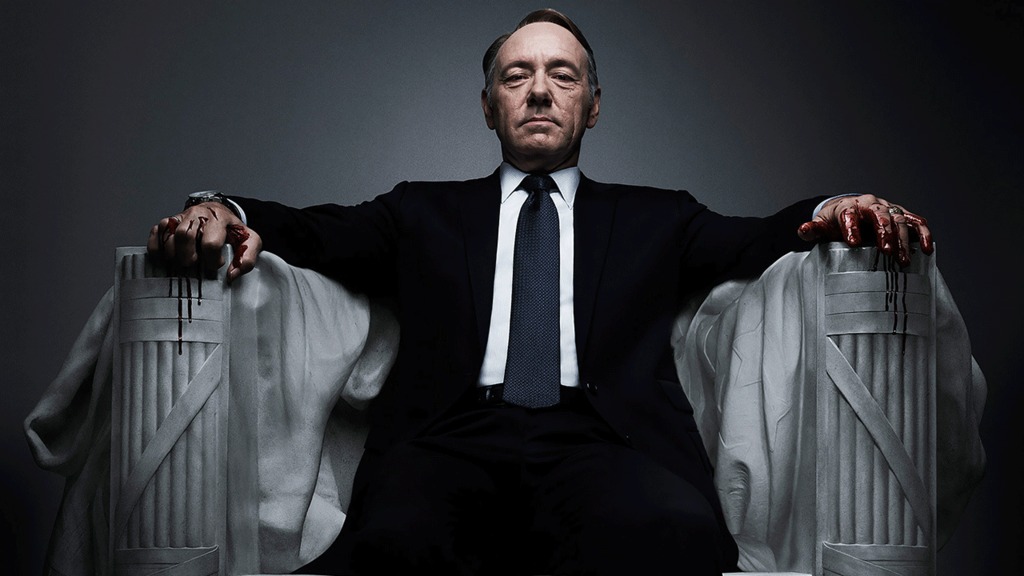
house_of_cards_1024x748

I have reached the end of series 1 of House of Cards. For the uninitiated, it’s a thirteen episode story of the rise and revenge of a ruthlessly ambitious politician, Frank Underwood, set in present-day Washington, but based on a British novel and TV series.

Engrossed, I still ask myself what it means. (And what it means that I like it so much.) In the same way I ask myself why I care so much about the machinations of federal politics in Australia. I can excuse my interest in ideology, and policy, but why do I care so much about the personalities, and the ‘politics’ in the derogatory sense of the word? Oh, no doubt it’s the Machiavelli in me.

My aside to the audience, Frank style: There used to be no Frank in me at all; I determinedly lived as the lamb to the slaughter, playing life with an open hand for all to see. One can only do that for so long, for so many times. But most would-be-Franks are not as subtle as they think. Nor can they see as far ahead as him.

*

Why did Joel Schumacher come along and wreck two episodes in the middle? He is the worst director in Hollywood. Reference: Batman and Robin, the movie which spoiled my adolescence. He squandered most of what was good about the show in his two outings. He made them feel like episodes of West Wing on a bad day, the episodes of Frank vs. the education union, fizzing out in that predictable American subplot of the hero finding an innovation to solve the day (‘let’s stage the gala party outside’; ‘let’s offer food to the protestors’). House of Cards is not about cute punchlines. Go away, Joel Schumacher, and do not come again.

David Fincher, on the other hand, you are welcome any time.

*

Did you know Robin Wright, so tall and skinny and middle-aged in this, was Buttercup in The Princess Bride? I certainly didn’t, till IMDB told me. That’s messed up; I didn’t know so many years had gone by. Don’t get me wrong: she is beautiful still. But somewhere, surely, Buttercup’s still young.

*

Back to meaning. What it ‘means’. Back to drama. Is there more to it than carthasis? Is it mere diversion? Of course it is. It’s about how we live and why we live. House of Cards is a masterpiece of the screen because in it we have all of life. We live out our own dilemmas writ large, and our own anxieties, and our cultural identity. Perhaps it is vicarious living, but in a way which makes us think more deeply about our own life, or should. It is all the spheres of life – marriage, politics, the office, recreation. It hints at things we don’t know in ourselves and in each other. It has enough depth to justify those eleven hours of my life.

Coonardoo: preliminary thoughts on its place in Prichard’s work and life

07 Saturday Jun 2014

Posted by Nathan Hobby in book review, Katharine Susannah Prichard, Katharine Susannah Prichard's writings

≈ 2 Comments

Tags

Aboriginals, Coonardoo

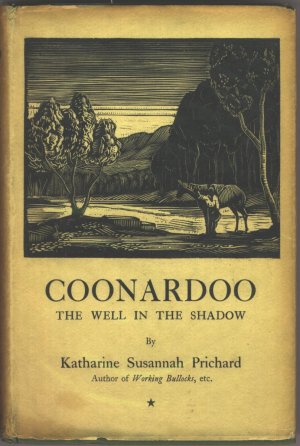
coonardoo

Coonardoo (1929) is the novel Katharine Susannah Prichard is best remembered for, a tragedy of the thwarted love between a station owner, Hugh, and an Aboriginal woman, Coonardoo, set in the Pilbara of Western Australia. It was ahead of its time in its depiction of race relations in Australia, and surely confronted Australians with some of the ugliness of their racism at its time; inevitably, by today’s standards, some aspects of the book itself seem somewhat racist, with talk of evolution of races and the ‘primitive’ charm of Aboriginality.

In this novel, Prichard’s narrative voice has shifted significantly from that of Working Bullocks, Black Opal and The Pioneers, all of which are more similar to each other than to this novel. To me, those earlier three novels all have a nineteenth century sensibility and tone, while Coonardoo is decidedly modern. The precedent in Prichard’s own work is The Wild Oats of Han, which appeared the year before Coonardoo, despite being written right back in 1907. Unlike the others, Han is a personal and autobiographical work, and my favourite of her novels so far. But like Coonardoo, its tone is less sentimental and the voice feels more direct; the narrator is further back, without the same sense of presence and control.

One way in which Coonardoo connects to Bullocks, Opal and Pioneers is that each presents a community with at least the capacity to be a kind of paradise, under threat by forces of fate and characters who do not understand the paradise. The paradise could be an opal town where everyone is their own boss, threatened by capitalists, or a timber community threatened by the greed of the sawmill. In Coonardoo, the ‘paradise’ is Wytaliba Station, with its harmonious relationships between the whites and blacks, as set up by Hugh’s mother, Mrs Bessie. The characters who ‘understand’ the paradise love the harsh isolation of the station life and treat the Aborigines with respect; Hugh’s wife, Mollie, does neither. A cardinal rule of the paradise is for the white men not to take the ‘gins’ as a harem, as Sam Geary on the neighboring station has done; it’s partly borne out of rejecting exploitation but also partly out of anti-miscegenation. The community is threatened and ultimately destroyed by both the forces of nature – drought – and Hugh’s inability to cope with this cardinal rule. Before she died, his mother set up an impossible dynamic in entrusting Coonardoo (the character) with the duty to look after Hugh, while also requiring that Hugh not take her as his partner. And so it is that this paradise is doomed, while the previous three hold out against the forces of fate and evil and carry on, albeit transformed, and the hope resting in the next generation. (Of course, we might see a note of hope in Hugh’s daughter, Phyllis, carrying on the station life, albeit on the neighbouring station.)

The novel developed as a genre of the self, the individual; one of Prichard’s achievements is the rare feat of depicting communities convincingly in novels. She is always interested in many different characters, switching rather democratically between viewpoints, and representing the web of interrelations in a community. Most importantly of all, she strives to capture the essence of a community, its ethos and spirit, the values which hold it together.

Like most of Prichard’s novels, Coonardoo resists a biographical reading. She researched the novel in the 1920s, spending time on a station in the North-West, just as she researched opal mining, the timber industry and the circus for other novels. Some biographical questions still presented themselves to me as I read. What significance are we to give her naming the protagonist ‘Hugh’, when her own husband’s name was ‘Hugo’ (admittedly, everyone called him ‘Jim’)? Both are paragons of Australianness; and perhaps like the character Hugh, Hugo/Jim was troubled by demons he didn’t articulate. It would be interesting to discover if Prichard saw herself reflected in Phyllis, who arrives at the station in a ‘borrowed’ car in chapter 23, escaping an affair gone wrong in Perth, and sets out challenging the gender stereotypes of the station, starting with the wearing of trousers. It would not surprise me if these chapters echoed most closely Prichard’s own time on the station. Like Prichard, Phyllis seems determined not to marry, only to find herself charmed by a suitor; the wooing of Phyllis feels a little like Prichard’s description of her own experience in Child of the Hurricane. And finally, speaking of the ‘child of the hurricane’, Prichard’s designation for herself, born in the middle of a Fijian cyclone – Coonardoo and Hugh’s child is referred to as the ‘son of the whirlwind’. Perhaps Prichard enjoyed the resonance between her own origin story and the Aboriginal understanding of whirlwinds giving a child its spirit; or perhaps her own personal mythology even developed in response to this.

Recaps: constructing pasts from memory

06 Friday Jun 2014

Posted by Nathan Hobby in autobiographical, film review

≈ Leave a comment

Tags

film and television, House of Cards, memory, narrative, recap

I’ve been caught up in the US version of House of Cards. You can choose to watch each episode with or without ‘recaps’. I choose with. The recaps shift entirely each episode, highlighting a different thread of the long and involved narrative. You suddenly remember one of the minor characters and the brewing subplot which hasn’t been touched for an episode or two. The recap is determined by the episode you’re in. And the thing is that memory is like that too. Whenever I make a change in life and find myself in a different context, I make a new narrative, dredging up memories which were dormant in the previous episode but now make sense. An example: I moved to an Anglican church last year for the first time in my life. Suddenly I’m seeing new foreshadowings, a book I read at eighteen which nearly convinced me, the times I visited the cathedral with my grandfather the rector. Connections to other Anglicans. I’m finding in the mass of memory a subplot which made this inevitable. The difference is that in House of Cards, in almost any fictional narrative, there are no dead-ends, there are no superfluous events or characters.

← Older posts
Newer posts →

Enter your email address to follow this blog and receive notifications of new posts by email.

Join 287 other subscribers

Nathan on Twitter

My Tweets

Categories

  • academic (9)
  • archives and sources (10)
  • autobiographical (62)
  • biographers (10)
  • biographical method (28)
  • biographical quests (18)
  • biographies (21)
    • political biography (2)
  • biographies of living subjects (2)
  • biographies of writers, artists & musicians (12)
  • biographies of writers, artists and musicians (20)
  • biography as a literary form (9)
  • biography in fiction (2)
  • biography in the news (2)
  • books (236)
    • authors (19)
    • book review (173)
    • reading (23)
  • Covid (2)
  • creative nonfiction (11)
  • daily life (2)
  • Daily Prompt (2)
  • death (21)
  • digital humanities (3)
  • family history (1)
  • fiction (8)
  • film and television biographies (5)
  • film review (48)
  • found objects (3)
  • historical biographies (1)
  • history (20)
  • In the steps of KSP (4)
  • John Curtin (13)
  • Katharine Susannah Prichard (114)
    • Glimpses of KSP (7)
    • My KSP biography (31)
      • deleted scenes (1)
  • Katharine Susannah Prichard's associates and connections (16)
  • Katharine Susannah Prichard's writings (34)
  • libraries (5)
  • life (20)
  • link (23)
  • links (41)
  • lists (28)
  • local history and heritage (1)
  • media (4)
  • memes and urban myths (1)
  • memoirs (10)
  • meta (2)
  • music (18)
  • news (9)
  • news and events (43)
  • obituary (1)
  • Old writing found on a floppy disk (1)
  • poetry (5)
  • politics and current affairs (26)
    • climate change (1)
  • prologues and introductions (2)
  • psychological aspects of biography (3)
  • quotes (22)
  • R.I.P. (10)
  • reading report (3)
  • religion (1)
  • religious biography (1)
  • research (5)
  • role of the biographer within the biography (2)
  • Series: A-Z of Katharine Susannah Prichard (26)
  • Series: Corona Diary (1)
  • Series: Saturday 10am (14)
  • Series: Short Stories (2016) (6)
  • Series: The Tourist (2013) (6)
  • Series: Thursday 3pm feature posts (2009) (35)
  • structure of biographies (3)
  • technology and the digital world (2)
  • television (4)
  • the nature of biography (4)
  • this blog (10)
  • Uncategorized (33)
  • Western Australia (26)
  • writing (41)

Archives

Recent Comments

amphisbaenathoroughly79c20f19aa's avataramphisbaenathoroughl… on John Curtin’s vision…
Nathan Hobby's avatarNathan Hobby on John Curtin’s vision…
karenlee thompson's avatarkarenlee thompson on John Curtin’s vision…
Nathan Hobby's avatarNathan Hobby on John Curtin’s vision…

Bookmarks

  • Adventures in Biography
  • ANZ LitLovers LitBlog
  • Bernice Barry
  • It only goes up to your knees
  • Jane Bryony Rawson
  • Jenn Plays Recorder
  • Katharine Susannah Prichard Writers' Centre
  • Laura Sewell Matter: Essayist and Biographer
  • Mutually said: Poets Vegan Anarchist Pacifist
  • Resident Judge
  • Speaking Thylacine
  • The Australian Legend
  • Timothy Parkin Poetry
  • Treefall Writing – Melinda Tognini
  • Whispering Gums
  • Wrapped up in books: the home of Guy Salvidge

Top Posts

  • Paul Auster's Moon Palace : an overview
  • The 28th, 29th, and 30th prime ministers: a memoir
  • The Joy of Knowledge Encyclopedia
  • Australian literary biography in 2018
  • Details

Blog Stats

  • 235,182 hits

Tag Cloud

9/11 19th century 33 1920s 1921 1930s 1950s 1970s 1971 1981 2000s 2004 2011 2015 2017 20000 Days on Earth A.S. Byatt Aboriginals activism Adam Begley Adrian Mole adultery afterlife Agatha Christie Alan Hollinghurst Alberto Manguel Alfred Deakin Amazing Grace Americana Amy Grant An American Romance Andre Tchaikowsky Andrew McGahan angela myers anne fadiman Anne Rice Arabian Nights archives art arts funding A Serious Man Ash Wednesday ASIO atheism Atonement Australia Australian film Australian literature Australian Short Story Festival autism autobiography autodidact Barbara Vine beach Belle Costa da Greene Bell Jar best best-of Bible Big Issue Bill Callahan biographical ethics biographical quest genre biographies birthday birthdays Black Opal Bleak House Blinky Bill blogging blogs Blue Blades Bodega's Bunch bog Booker book launch booksale Borges Brenda Niall Brian Matthews Brian McLaren Britney Spears Burial Rites Burke and Wills buskers C.S. Lewis C.S. Lewis canon capitalism Carol Shields Carson McCullers Catcher in the Rye Catholicism celebrities Charles Dickens Charlie Kaufman childhood Child of the Hurricane children's books Choir of Gravediggers Christianity Christian writing Christina Stead Christmas Christopher Beha Cinque Terra Claire Tomalin classics cliches climate change Coen brothers coincidence Collie Collyer coming of age Communism concert Condensed Books consumerism Coonardoo Cormac McCarthy Corrections cosy fiction Dara Horn David Copperfield David Ireland David Marr David Suchet death Death of a president definition demolition Dennis LeHane dentist diaries divorce doctorow Doctor Who documentaries donald shriver Don DeLillo Don DeLillo Donna Mazza Donna Tartt Don Watson Dostovesky doubt drama dreams of revolution Drusilla Modjeska E.M. Forster ebooks editing Eichmann Eisenstein Elizabeth Kostova email empathy ensmallification existentialism faith Falling Man fame families fantasy fiction film and television folk football Frank Barscombe Fremantle Press G.K. Chesterton Gabrielle Carey Gallipoli genealogical fiction Genesis Geoff Nicholson George W. Bush Gerald Glaskin Gilead Golden Miles Goldfields Trilogy Graham Greene grandad great novels Greenmount Guinness World Records Guy Salvidge Hannah Arendt Hannah Kent Hans Koning Hans Koningsberger Harper Lee Haxby's Circus Hazel Rowley He-Man headers heaven Heidegger hell Henrietta Lacks Henry Morton Stanley Herman Hesse heroes Hey Dad! historical fiction history Holden Caulfield holidays Homer & Langley Home Song Stories House of Cards House of Zealots house of zealots Hugo Throssell humour Ian McEwan In between the sheets Indonesia Infamous Inside Llewyn Davis interstellar interview Intimate Strangers Invisible Ireland ISBNs Ishiguro itunes J.D. Salinger J.M. Coetzee J.S. Battye Janet Malcolm Jennifer Egan JFK JFK assassination Joanna Rakoff Joel Schumacher John Burbidge John Fowles John Howard John Kinsella John Updike John Updike Jonathan Franzen journal writing JSB Judgment Day Julia Baird Julian Barnes Kafka Kalgoorlie Kate Grenville Katherine Mansfield Kevin Brockmeier King's Park KSP Writers' Centre language last ride Laurie Steed Left Behind Leonard Cohen Leo Tolstoy Libra Library of Babel Library of Babel Lila Lily and Madeleine links Lionel Shriver lionel shriver lists literary fiction literature Lleyton Hewitt lost book Louisa Louisa Lawson Louis Esson louis nowra love letter Lubbock Lytton Strachey Madelaine Dickie Man Booker man in the dark Margaret Atwood Margaret River Press Marilynne Robinson mark sandman meaning of life Melbourne Mel Hall meme memorialisation memory MH17 Michael Faber Mike Riddell Miles Franklin mining boom missionaries moleskine Moon Palace morphine Mother Teresa movies Music of Chance My Brilliant Career names Napoleon Narnia narrative Narrow Road to the Deep North Narziss and Goldmund Natalie Portman Nathaniel Hobbie national anthem Nick Cave Nina Bawden non-fiction nonfiction noughties novelists novels obituaries obscurity On Chesil Beach Parade's End Paris Hilton Passion of the Christ past patriotism Paul Auster Paul de Man Perth Perth Writers Festival Peter Ackroyd Peter Cowan Writers Centre phd Philip K. Dick Philip Seymour Hoffman pierpontmorgan poetry slam politics popular fiction popular science Possession postapocalyptic postmodernism Pride prophetic imagination publications Pulp Purity Queen Victoria Rabbit Angstrom radio Radio National Randolph Stow rating: 5/10 rating: 6/10 rating: 7/10 rating: 8/10 rating: 9/10 rating: 10/10 ratings reading fiction autobiographically reading report Rebecca Skloot recap red wine reincarnation juvenile fiction rejection review - music reviewing rewriting Richard Flanagan Richard Ford Rick Moody Roaring Nineties Robert Banks Robert Hughes Robert Silverberg Robert Wadlow Robinson Crusoe Rolf Harris romance Rome ruins Russell Crowe Ruth Rendell Sarah Murgatroyd scalpers science fiction Science of Sleep secondhand books Secret River sermon illustration sex short stories Silent Woman Simone Lazaroo Simpsons Siri Hustvedt slavery Smashing Pumpkins social interactions social justice some people i hate sources South Australia souvenirs speculation speech speeches sport status anxiety Stephen Lawhead Stranger's Child subtitles Subtle Flame Sue Townsend suicide Surprised By Hope Suzanne Falkiner Sylvia Plath Synecdoche TAG Hungerford Award tapes teabags Ted Hughes The Children Act The Cure The Fur The Imitation Game theology The Pioneers The Revolutionary Thomas Disch Thomas Hardy Thomas Henry Prichard Thomas Mann thriller time Tim La Haye Tim Winton Tolstoy Tom Wright top 10 Towering Inferno Tracy Ryan Trove Truman Capote tshirts TS Spivet Twelve Years a Slave underrated writers Underworld unwritten biographies urban myth USA vampires Venice Victoria Cross Victoriana Victorian era Victorianism Victoria Park video Voltron w Wake in Fright Walkabout Walter M. Miller war War and Peace war on terror Water Diviner Wellington St Bus Station Westerly Western Australia West Wing What Happened to Sophie Wilder? Whitlams wikipedia Wild Oats of Hans William Wilberforce Winston Churchill Witches of Eastwick Working Bullocks workshop World War One writers writing Writing NSW youth Zadie Smith Zeitgeist Zelig

Enter your email address to follow this blog and receive notifications of new posts by email.

Join 287 other subscribers

Pages

  • About
  • My novel: The Fur
  • The Red Witch: A Biography of Katharine Susannah Prichard

Categories

  • academic (9)
  • archives and sources (10)
  • autobiographical (62)
  • biographers (10)
  • biographical method (28)
  • biographical quests (18)
  • biographies (21)
    • political biography (2)
  • biographies of living subjects (2)
  • biographies of writers, artists & musicians (12)
  • biographies of writers, artists and musicians (20)
  • biography as a literary form (9)
  • biography in fiction (2)
  • biography in the news (2)
  • books (236)
    • authors (19)
    • book review (173)
    • reading (23)
  • Covid (2)
  • creative nonfiction (11)
  • daily life (2)
  • Daily Prompt (2)
  • death (21)
  • digital humanities (3)
  • family history (1)
  • fiction (8)
  • film and television biographies (5)
  • film review (48)
  • found objects (3)
  • historical biographies (1)
  • history (20)
  • In the steps of KSP (4)
  • John Curtin (13)
  • Katharine Susannah Prichard (114)
    • Glimpses of KSP (7)
    • My KSP biography (31)
      • deleted scenes (1)
  • Katharine Susannah Prichard's associates and connections (16)
  • Katharine Susannah Prichard's writings (34)
  • libraries (5)
  • life (20)
  • link (23)
  • links (41)
  • lists (28)
  • local history and heritage (1)
  • media (4)
  • memes and urban myths (1)
  • memoirs (10)
  • meta (2)
  • music (18)
  • news (9)
  • news and events (43)
  • obituary (1)
  • Old writing found on a floppy disk (1)
  • poetry (5)
  • politics and current affairs (26)
    • climate change (1)
  • prologues and introductions (2)
  • psychological aspects of biography (3)
  • quotes (22)
  • R.I.P. (10)
  • reading report (3)
  • religion (1)
  • religious biography (1)
  • research (5)
  • role of the biographer within the biography (2)
  • Series: A-Z of Katharine Susannah Prichard (26)
  • Series: Corona Diary (1)
  • Series: Saturday 10am (14)
  • Series: Short Stories (2016) (6)
  • Series: The Tourist (2013) (6)
  • Series: Thursday 3pm feature posts (2009) (35)
  • structure of biographies (3)
  • technology and the digital world (2)
  • television (4)
  • the nature of biography (4)
  • this blog (10)
  • Uncategorized (33)
  • Western Australia (26)
  • writing (41)

Archives

Recent Comments

amphisbaenathoroughly79c20f19aa's avataramphisbaenathoroughl… on John Curtin’s vision…
Nathan Hobby's avatarNathan Hobby on John Curtin’s vision…
karenlee thompson's avatarkarenlee thompson on John Curtin’s vision…
Nathan Hobby's avatarNathan Hobby on John Curtin’s vision…

Bookmarks

  • Adventures in Biography
  • ANZ LitLovers LitBlog
  • Bernice Barry
  • It only goes up to your knees
  • Jane Bryony Rawson
  • Jenn Plays Recorder
  • Katharine Susannah Prichard Writers' Centre
  • Laura Sewell Matter: Essayist and Biographer
  • Mutually said: Poets Vegan Anarchist Pacifist
  • Resident Judge
  • Speaking Thylacine
  • The Australian Legend
  • Timothy Parkin Poetry
  • Treefall Writing – Melinda Tognini
  • Whispering Gums
  • Wrapped up in books: the home of Guy Salvidge

Top Posts

  • Paul Auster's Moon Palace : an overview
  • The 28th, 29th, and 30th prime ministers: a memoir
  • The Joy of Knowledge Encyclopedia
  • Australian literary biography in 2018
  • Details

Blog Stats

  • 235,182 hits

Tag Cloud

9/11 19th century 33 1920s 1921 1930s 1950s 1970s 1971 1981 2000s 2004 2011 2015 2017 20000 Days on Earth A.S. Byatt Aboriginals activism Adam Begley Adrian Mole adultery afterlife Agatha Christie Alan Hollinghurst Alberto Manguel Alfred Deakin Amazing Grace Americana Amy Grant An American Romance Andre Tchaikowsky Andrew McGahan angela myers anne fadiman Anne Rice Arabian Nights archives art arts funding A Serious Man Ash Wednesday ASIO atheism Atonement Australia Australian film Australian literature Australian Short Story Festival autism autobiography autodidact Barbara Vine beach Belle Costa da Greene Bell Jar best best-of Bible Big Issue Bill Callahan biographical ethics biographical quest genre biographies birthday birthdays Black Opal Bleak House Blinky Bill blogging blogs Blue Blades Bodega's Bunch bog Booker book launch booksale Borges Brenda Niall Brian Matthews Brian McLaren Britney Spears Burial Rites Burke and Wills buskers C.S. Lewis C.S. Lewis canon capitalism Carol Shields Carson McCullers Catcher in the Rye Catholicism celebrities Charles Dickens Charlie Kaufman childhood Child of the Hurricane children's books Choir of Gravediggers Christianity Christian writing Christina Stead Christmas Christopher Beha Cinque Terra Claire Tomalin classics cliches climate change Coen brothers coincidence Collie Collyer coming of age Communism concert Condensed Books consumerism Coonardoo Cormac McCarthy Corrections cosy fiction Dara Horn David Copperfield David Ireland David Marr David Suchet death Death of a president definition demolition Dennis LeHane dentist diaries divorce doctorow Doctor Who documentaries donald shriver Don DeLillo Don DeLillo Donna Mazza Donna Tartt Don Watson Dostovesky doubt drama dreams of revolution Drusilla Modjeska E.M. Forster ebooks editing Eichmann Eisenstein Elizabeth Kostova email empathy ensmallification existentialism faith Falling Man fame families fantasy fiction film and television folk football Frank Barscombe Fremantle Press G.K. Chesterton Gabrielle Carey Gallipoli genealogical fiction Genesis Geoff Nicholson George W. Bush Gerald Glaskin Gilead Golden Miles Goldfields Trilogy Graham Greene grandad great novels Greenmount Guinness World Records Guy Salvidge Hannah Arendt Hannah Kent Hans Koning Hans Koningsberger Harper Lee Haxby's Circus Hazel Rowley He-Man headers heaven Heidegger hell Henrietta Lacks Henry Morton Stanley Herman Hesse heroes Hey Dad! historical fiction history Holden Caulfield holidays Homer & Langley Home Song Stories House of Cards House of Zealots house of zealots Hugo Throssell humour Ian McEwan In between the sheets Indonesia Infamous Inside Llewyn Davis interstellar interview Intimate Strangers Invisible Ireland ISBNs Ishiguro itunes J.D. Salinger J.M. Coetzee J.S. Battye Janet Malcolm Jennifer Egan JFK JFK assassination Joanna Rakoff Joel Schumacher John Burbidge John Fowles John Howard John Kinsella John Updike John Updike Jonathan Franzen journal writing JSB Judgment Day Julia Baird Julian Barnes Kafka Kalgoorlie Kate Grenville Katherine Mansfield Kevin Brockmeier King's Park KSP Writers' Centre language last ride Laurie Steed Left Behind Leonard Cohen Leo Tolstoy Libra Library of Babel Library of Babel Lila Lily and Madeleine links Lionel Shriver lionel shriver lists literary fiction literature Lleyton Hewitt lost book Louisa Louisa Lawson Louis Esson louis nowra love letter Lubbock Lytton Strachey Madelaine Dickie Man Booker man in the dark Margaret Atwood Margaret River Press Marilynne Robinson mark sandman meaning of life Melbourne Mel Hall meme memorialisation memory MH17 Michael Faber Mike Riddell Miles Franklin mining boom missionaries moleskine Moon Palace morphine Mother Teresa movies Music of Chance My Brilliant Career names Napoleon Narnia narrative Narrow Road to the Deep North Narziss and Goldmund Natalie Portman Nathaniel Hobbie national anthem Nick Cave Nina Bawden non-fiction nonfiction noughties novelists novels obituaries obscurity On Chesil Beach Parade's End Paris Hilton Passion of the Christ past patriotism Paul Auster Paul de Man Perth Perth Writers Festival Peter Ackroyd Peter Cowan Writers Centre phd Philip K. Dick Philip Seymour Hoffman pierpontmorgan poetry slam politics popular fiction popular science Possession postapocalyptic postmodernism Pride prophetic imagination publications Pulp Purity Queen Victoria Rabbit Angstrom radio Radio National Randolph Stow rating: 5/10 rating: 6/10 rating: 7/10 rating: 8/10 rating: 9/10 rating: 10/10 ratings reading fiction autobiographically reading report Rebecca Skloot recap red wine reincarnation juvenile fiction rejection review - music reviewing rewriting Richard Flanagan Richard Ford Rick Moody Roaring Nineties Robert Banks Robert Hughes Robert Silverberg Robert Wadlow Robinson Crusoe Rolf Harris romance Rome ruins Russell Crowe Ruth Rendell Sarah Murgatroyd scalpers science fiction Science of Sleep secondhand books Secret River sermon illustration sex short stories Silent Woman Simone Lazaroo Simpsons Siri Hustvedt slavery Smashing Pumpkins social interactions social justice some people i hate sources South Australia souvenirs speculation speech speeches sport status anxiety Stephen Lawhead Stranger's Child subtitles Subtle Flame Sue Townsend suicide Surprised By Hope Suzanne Falkiner Sylvia Plath Synecdoche TAG Hungerford Award tapes teabags Ted Hughes The Children Act The Cure The Fur The Imitation Game theology The Pioneers The Revolutionary Thomas Disch Thomas Hardy Thomas Henry Prichard Thomas Mann thriller time Tim La Haye Tim Winton Tolstoy Tom Wright top 10 Towering Inferno Tracy Ryan Trove Truman Capote tshirts TS Spivet Twelve Years a Slave underrated writers Underworld unwritten biographies urban myth USA vampires Venice Victoria Cross Victoriana Victorian era Victorianism Victoria Park video Voltron w Wake in Fright Walkabout Walter M. Miller war War and Peace war on terror Water Diviner Wellington St Bus Station Westerly Western Australia West Wing What Happened to Sophie Wilder? Whitlams wikipedia Wild Oats of Hans William Wilberforce Winston Churchill Witches of Eastwick Working Bullocks workshop World War One writers writing Writing NSW youth Zadie Smith Zeitgeist Zelig

Blog at WordPress.com.

  • Subscribe Subscribed
    • Nathan Hobby, a biographer in Perth
    • Join 287 other subscribers
    • Already have a WordPress.com account? Log in now.
    • Nathan Hobby, a biographer in Perth
    • Subscribe Subscribed
    • Sign up
    • Log in
    • Report this content
    • View site in Reader
    • Manage subscriptions
    • Collapse this bar
 

Loading Comments...