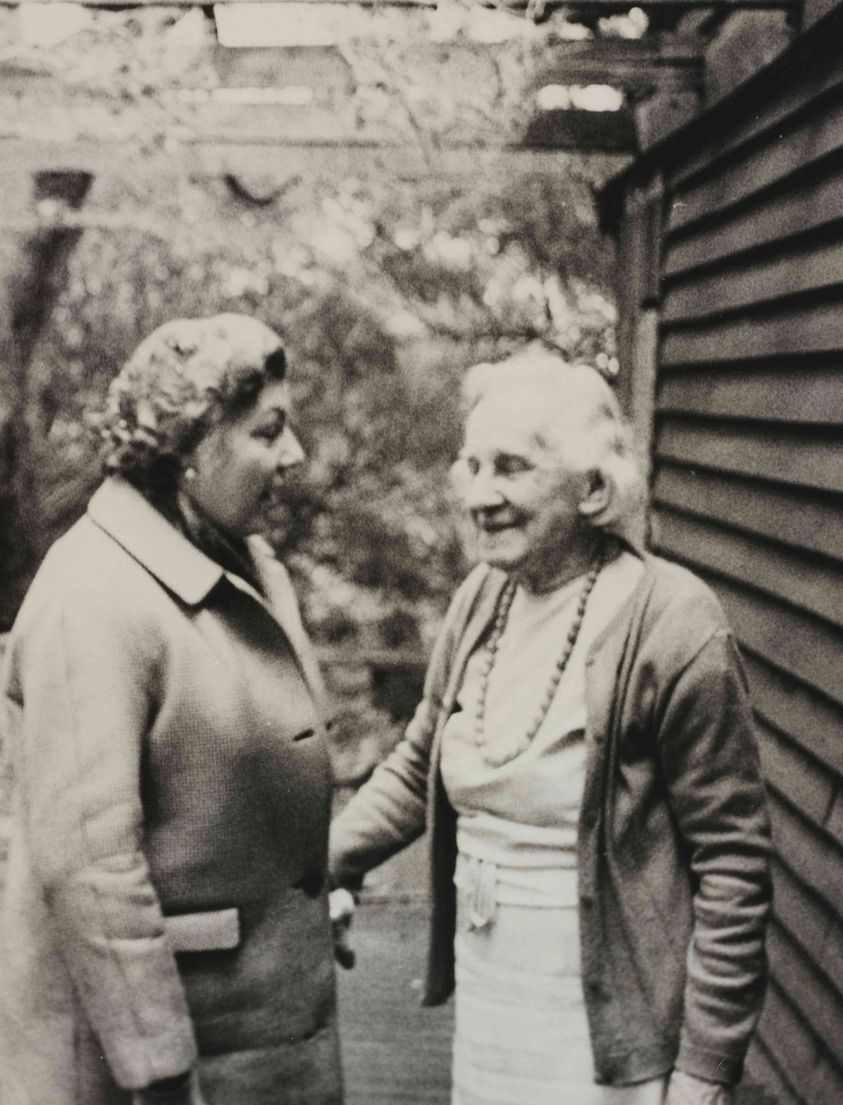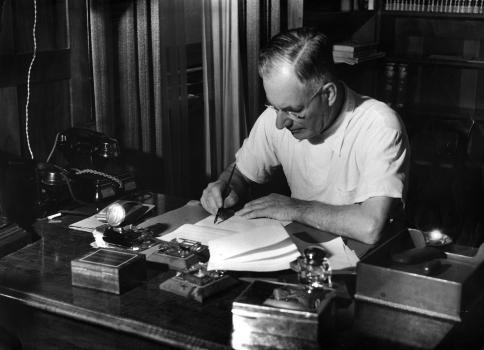
Katharine Susannah Prichard turned 142 yesterday. It’s her annual birthday celebration at the Katharine Susannah Prichard Writers’ Centre tomorrow, 6 December 2025, from 3pm to 6pm. I’ll be conducting a tour at about 4:45pm. Free tickets here.
If you’re looking for a Christmas present for someone into Australian literature or history, my biography of KSP, The Red Witch, is available at a ridiculously low price online from Readings at the moment. Get your copy here.
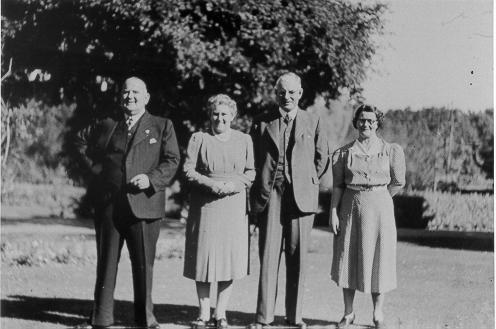
Photograph taken by John Gilchrist. Courtesy of SLWA.
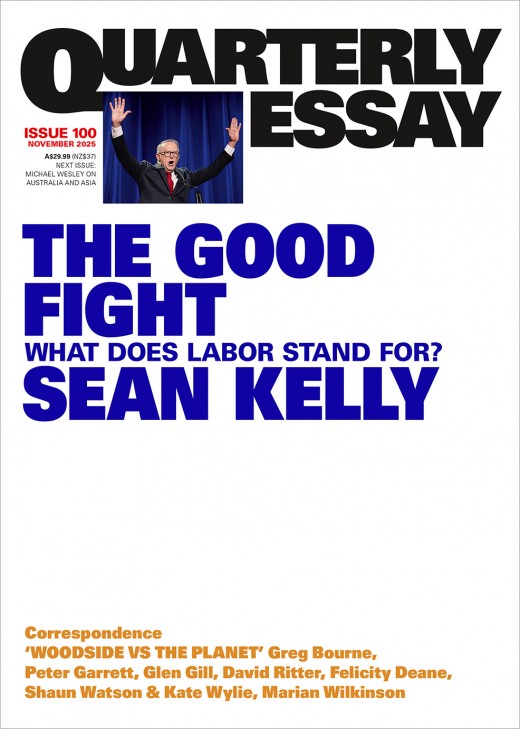
What a treasure Quarterly Essay is. Great Australian essayists engaging with politics and culture in style. The 100th quarterly essay is by Sean Kelly, who wrote my favourite book about Australian politics, The Game: A Portrait of Scott Morrison. In this new book, The Good Fight: What does Labor stand for? he is engaging with an ally, Anthony Albanese, and I can imagine the anguish as an insider turned freelance writer must say the hard things. As always, Kelly brings a literary sensibility, starting with Kafka and ending with Ferrante.
Hector Harrison (1902-1978) was a prominent Presbyterian minister who led St Andrew’s Church in Canberra from 1940 until his death. He was friendly with Prime Minister John Curtin and Fred Whitlam, father of Gough Whitlam, who was a member of his congregation. There’s a striking scene from Harrison’s oral history at the National Library recounted in Dr Margaret McLeod’s new biography: Harrison is giving Whitlam senior a lift home from the 4th July celebrations at the American Embassy in 1945 and Whitlam reveals that the editor of the Canberra Times had just told him John Curtin wouldn’t last the night. Harrison walked across the paddocks to the Lodge and was, eventually, admitted to see Curtin, hours before his death. At Curtin’s request, Harrison conducted the funeral.
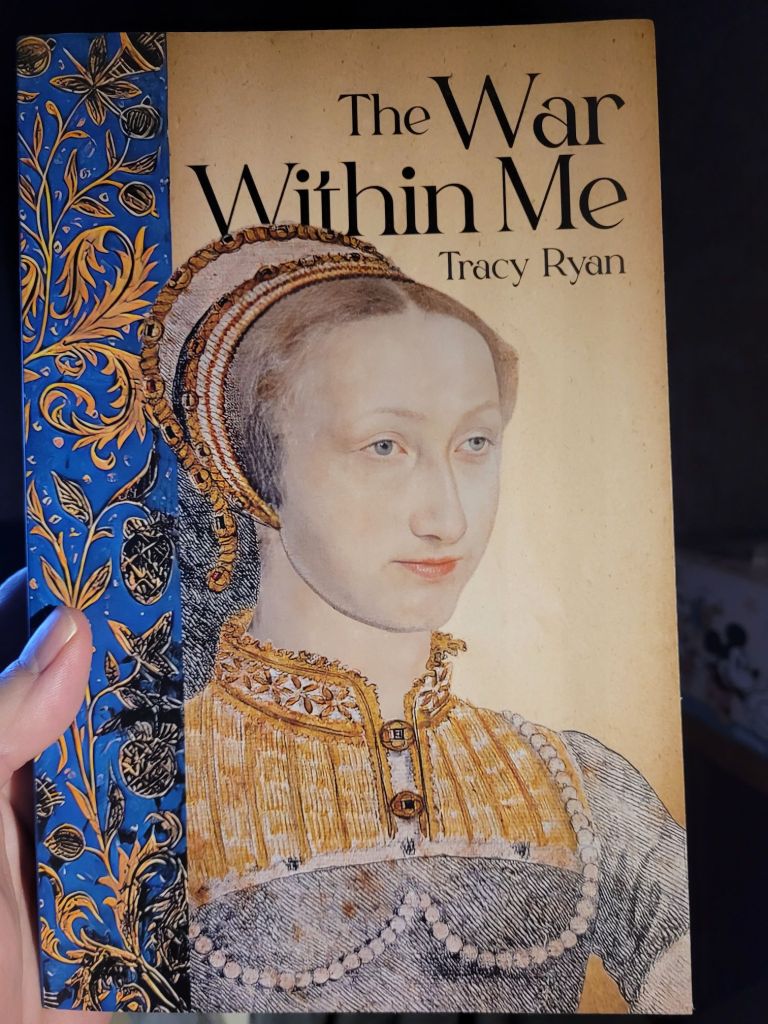
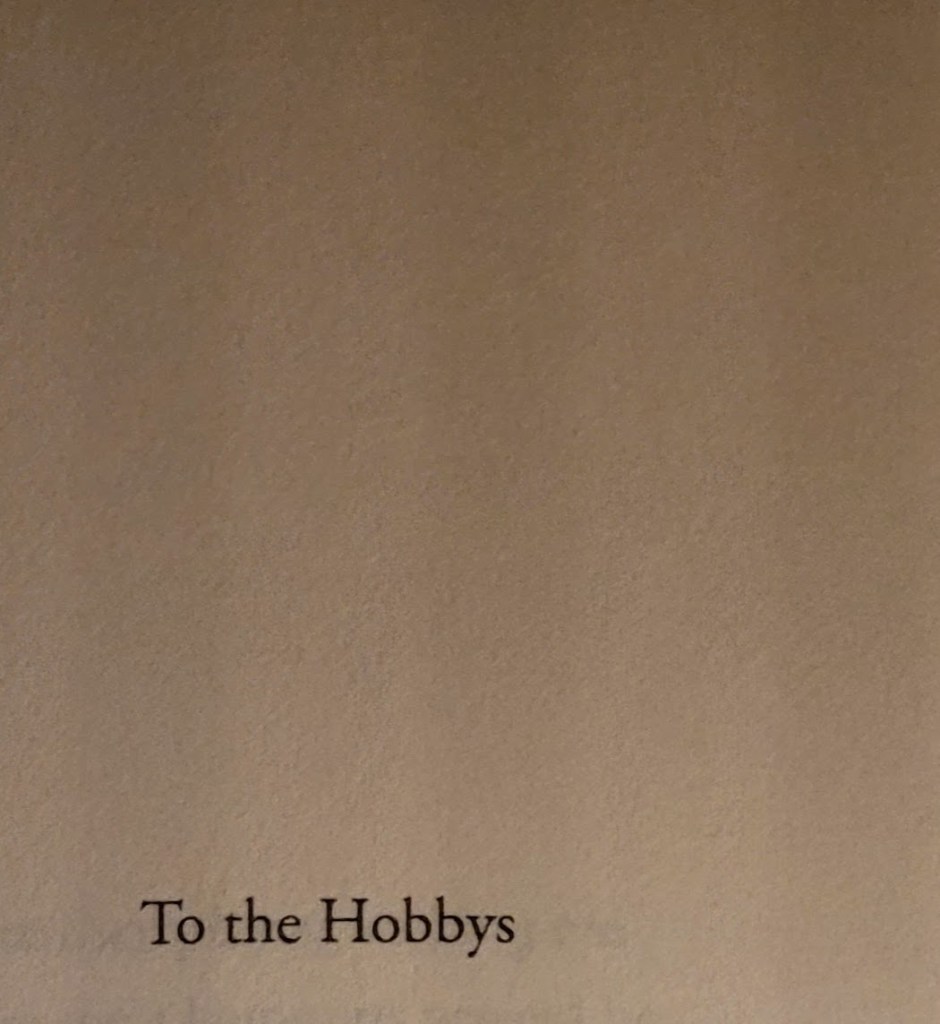
I’m honoured my family is the dedicatee of Tracy Ryan’s new novel, The War Within Me, published by Transit Lounge. It’s the second volume of the Queens of Navarre trilogy, each book told through the eyes of a successive 16th-century queen. This one is told by Jeanne d’Albret (1528-1572), fictionalising events as they happen from her teen years to the edge of her premature death, all against the backdrop of the French Wars of Religion.
I’ve found myself muted for three years now, unable to say as much as I used to. It’s partly because of my health and partly because of the great silence around the secret pandemic: I feel like I’m living in a different reality to most people. The visible sign of this is the n95 mask I wear when I’m indoors in public – my protection and my stigma.
My interview with Dr Gabriella Kelly-Davies about The Red Witch and the art of biography has just been released on the Biographers in Conversation podcast here. This podcast series is now in its third season and features Australian and international biographers. I am grateful to Gabriella for her commitment to biographers and her talents in drawing out insights about biographical choices, which extends the work she did in her PhD thesis and her own biography, Breaking Through the Pain Barrier: the extraordinary life of Dr Michael J. Cousins. If you’re interested in biography, I encourage you to subscribe to Biographers in Conversation.
I did a public speaking seminar last year at work, and I didn’t think it had made much difference – but listening to my interview, I eliminated my ‘ums’, which was a big focus of the seminar. Success!
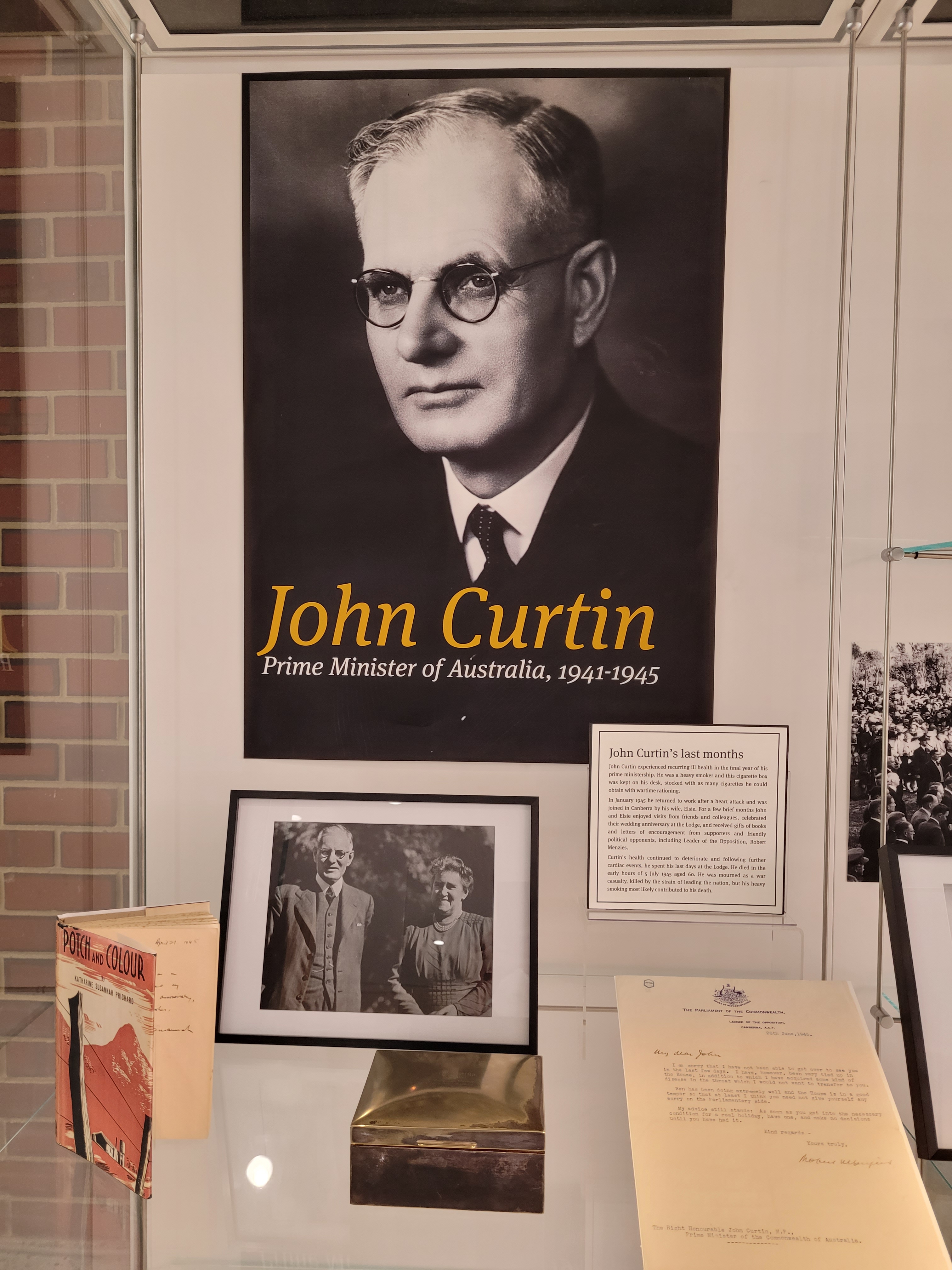
Prime Minister John Curtin died 80 years ago on 5 July 1945 in an upstairs bedroom at the Lodge. He’d been taken up to the bedroom by stretcher on 22 May after leaving a small private hospital in Canberra. He never came back down those stairs. He died in his sleep at 4am with a nurse named Marjorie Sirl by his side. His wife Elsie was in an adjoining room, unable to sleep.
Or was she? The newspaper accounts of the time seem to have all used the same press release (I haven’t been able to find it in the archives though) which stated Elsie was also by his side when he died. But Elsie wrote a short memoir of Curtin as a series of articles published in Perth’s Daily News in 1950 and she states that the nurse came to her room to tell her he was dead. I trust her own account, five years after the event, over the reporting at the time which would not have come directly from her or Sirl. It’s a small detail but it dramatically changes the picture of Curtin’s last moment.
I’ve been writing my account of Curtin’s last months and death in my biography. Not because I’ve nearly finished – far from it – but I was working on an exhibition on this theme at work and so it seemed a good time to immerse myself in this period at home in my research.
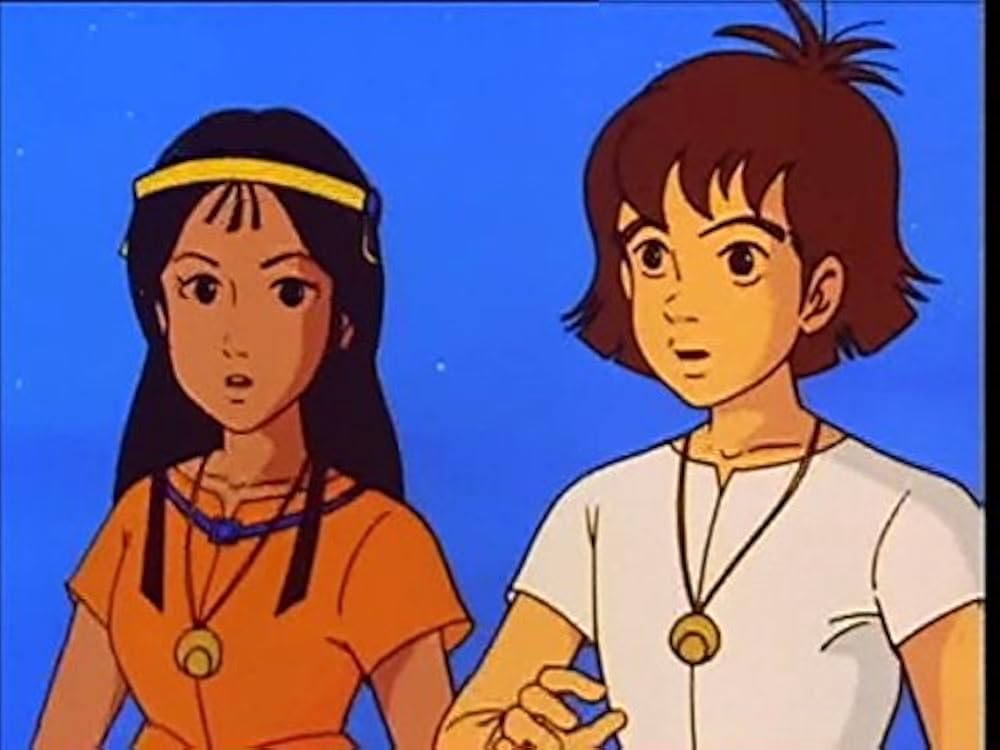
Over several months, I rewatched The Mysterious Cities of Gold (1982) with my kids. It was my favourite show when I was nine; it is even stranger than I remember. In a quest for the seven cities of gold, two orphans with matching pendants – one of them apparently an Incan – lead a group of treasure hunters across South America in the sixteenth century. A joint French-Japanese production, it is a 39-episode serial, repetitious and veering between the predictable and the bizarre. In many episodes, the children solve an ancient puzzle or discover an artefact or a clue, only for the temple or other structure to collapse around them. Everything is designed for self-destruction in the path of the Spaniards. They find a solar-powered ship made of gold then, after it burns up, a flying condor made of gold, both of them the creations of an ancient vanished civilisation. But then it grows even stranger two-thirds through the season as they encounter alien humanoids with futuristic technology who are also in the hunt for the cities of gold.
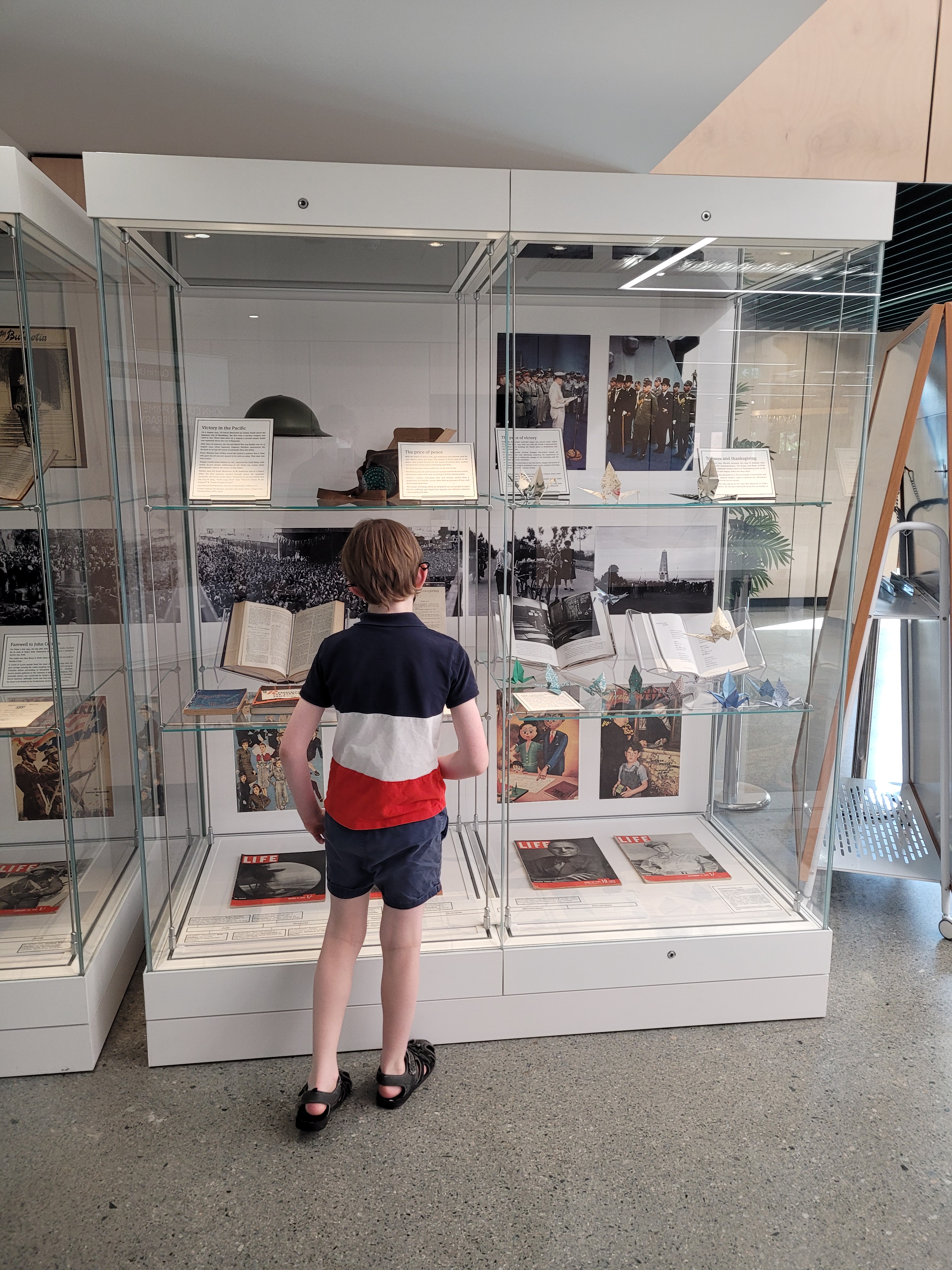
For many weeks, my son asked me each day what I was doing at work, and each day the answer was the same: the exhibition! His anticipation built and I was relieved when I could finally tell him it was installed. (How long can it possibly take to do one exhibition?) Last weekend, I took him and the rest of the family to Curtin University to see it. Curated by the special collections co-ordinator, Sally Laming, and I, ‘1945: The Price of Peace’ commemorates the death of John Curtin and the end of the Second World War. The title is taken from the words of John Curtin in parliament a few months before his death: ‘There is a price the world must pay for peace … I shall not attempt to specify the price, but it does mean less nationalism, less selfishness, less race ambition.’
I’m only missing a few Katharine Susannah Prichard books from my collection and so these days filling in a gap is rare – and often expensive. I wasn’t expecting to come across a copy of Clovelly Verses, especially not at a price I could stretch to. But there it was in my Ebay alerts for $200.
Clovelly Verses was Katharine’s first book, a tiny pamphlet of conventional nature poems privately printed in 1913 while she was living in London. ‘Let me not forget / Each tiny floweret / Which in the hedgerow grows’. It was an undistinguished debut, if it could be considered that, but it pleased the dedicatee: her mother.
Katharine would hand copies out to friends and people she met. She gave one to the playboy socialist, Guido Baracchi, when she met him on the boat from Columbo to Australia in the last days of 1915. He thought it was brilliant and nearly 60 years later, after Katharine’s death, he told her son he would pay anything for a copy; his had been borrowed and not returned.
I’m not sure of this inscription in my copy – I think it will remain a mystery. Katharine has also made a couple of hand corrections to poems.
I’ve seen the book twice before. The first time, at the National Library, an uncatalogued copy was slipped in a file of other items. A secret copy to greet future researchers. The second was in a private library of the son of a friend of the family. It had a lengthy dedication and a letter from Katharine’s son slipped inside it.
A consequence of my acquisition: I’m now checking Ebay far too often, greeted by alerts from a seller eagerly relisting a 1980s KSP paperback each week.