
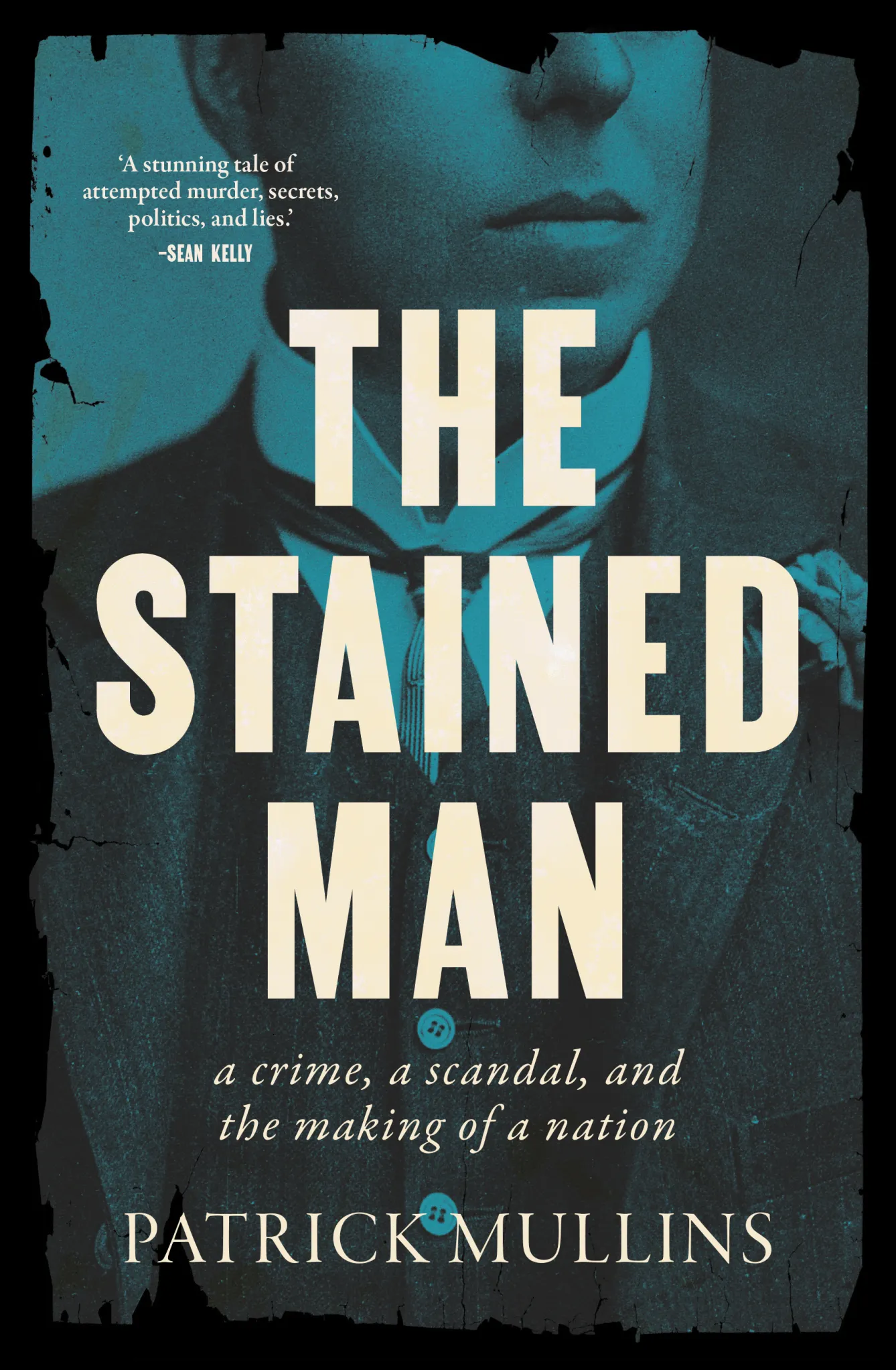
Earlier this year The Stained Man by Patrick Mullins came out with Scribe. I had the privilege of reading it in manuscript and thought it was excellent. It’s a true crime political drama telling the story of Richard Meager, a lawyer and politician in Sydney at the turn of the 20th century, whose unethical conduct as a lawyer led to his disgrace and a long attempt for redemption in the eyes of the court and society at large. It’s an engrossing saga with the quality of a Dickens novel. Meagher is a suitably complex and fascinating character, skilfully depicted. The reader gets a wonderful sense of the times the narrative passes through, because it is both a remarkable and yet representative tale. The initial case and trial itself has the qualities of a good historical true crime narrative while the aftermath of political intrigue and attempted redemption make it poignant. The book handles the different spheres of Meagher’s story very well – the domestic, the courtroom, the press, parliament, political campaigning. One of the delights is the intertwining of the saga with so many major names of the time – Samuel Clemens, aka Mark Twain, even makes a cameo. Patrick Mullins is just the writer to tell a story like this – impeccable research, a measured and witty tone, and superb narrative control.
On a related note, I think non-fiction should be given the story privileges fiction enjoys, in that we should have more books like this telling of people who are no longer household names but whose story is compelling. Too often narrative non-fiction has to justify itself as being about the most important or famous events and people. Non-fiction writers have to find contemporary analogies and significances for the past to matter and it ends up distorting or overshadowing the story. I think any true story that is interesting enough deserves a readership. In this post-literate capitalist society, I suppose I need to convince the ‘market’ of the truth of this.


Meagher’s story reminds me of Wendy Bacon, a law student and very well known activist when I was at uni, who was refused admission to the NSW Bar for her activism. She has since made a career as a journalist and academic and I admire her for that, but wouldn’t you be bitter, studying for 6 years and then refused the ability to use your skills by a mob of pompous old men.
The closest I get to the sort of NF you describe is writers like Philipa Gregory who I think has made readable stories out of the lives of secondary Tudors.
LikeLiked by 1 person
Her name’s familiar. Good on her, shows integrity. I don’t know Philipa Gregory’s work, will check her out.
LikeLike