Katharine Susannah Prichard first voted in the 1906 federal election. Victoria had not yet given women the vote at a state level, but women were able to vote federally. She had just turned 23, and she didn’t dare tell her father that she voted for the Labor party. He had just been in a mental institution after suffering severe depression, and she knew he would take her vote very badly. He was a conservative, railing against a minimum wage and welfare in his newspaper columns.
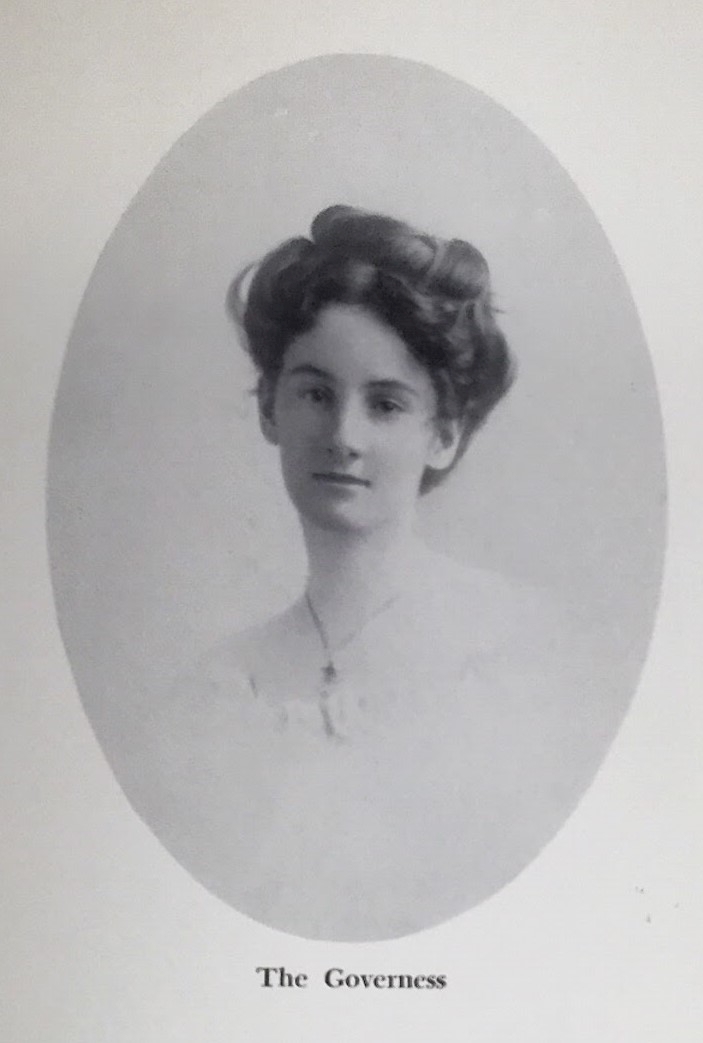
Katharine Susannah Prichard had a troubled relationship with university. She longed to attend Melbourne University with her peer group, Nettie Higgins, Christian Jollie Smith and Hilda Bull. But while they went on to study, respectively, arts, law and medicine, Katharine spent a desultory year as housekeeper when her mother was sick in 1903, the year after secondary school. Her mother recovered, but her father didn’t want her to study further, so she set off to Yarram to make a living as a governess.
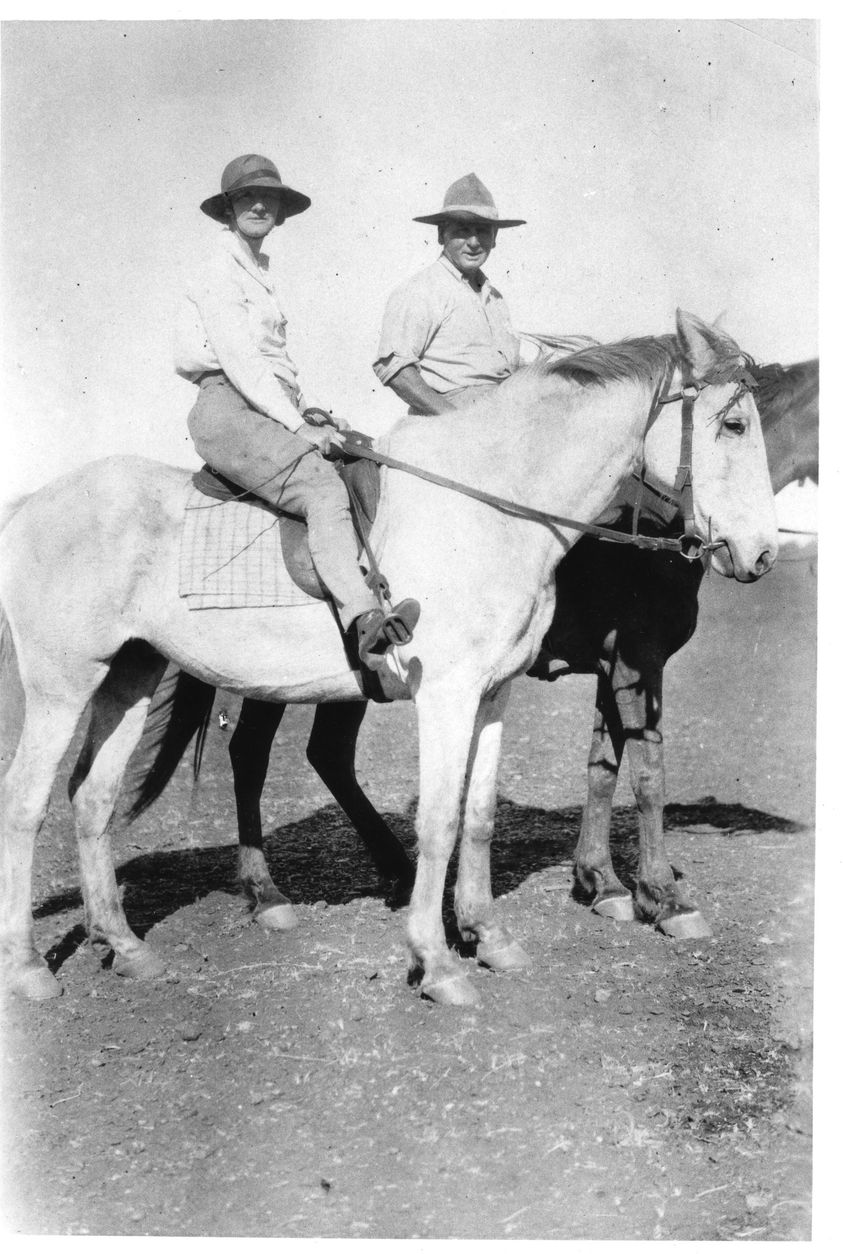
Katharine Susannah Prichard’s 10 week stay on Turee Station in the Pilbara in 1926 inspired her novel Coonardo, her play Brumby Innes, and two of her most famous stories, ‘The Cooboo’ and ‘Happiness’. She was staying with the station owners, Joe and Doris Maguire, whom she calls old friends. I think the friendship is probably through Katharine’s husband, Hugo Throssell, who worked on a neighbouring station, Ashburton Downs, before World War One.
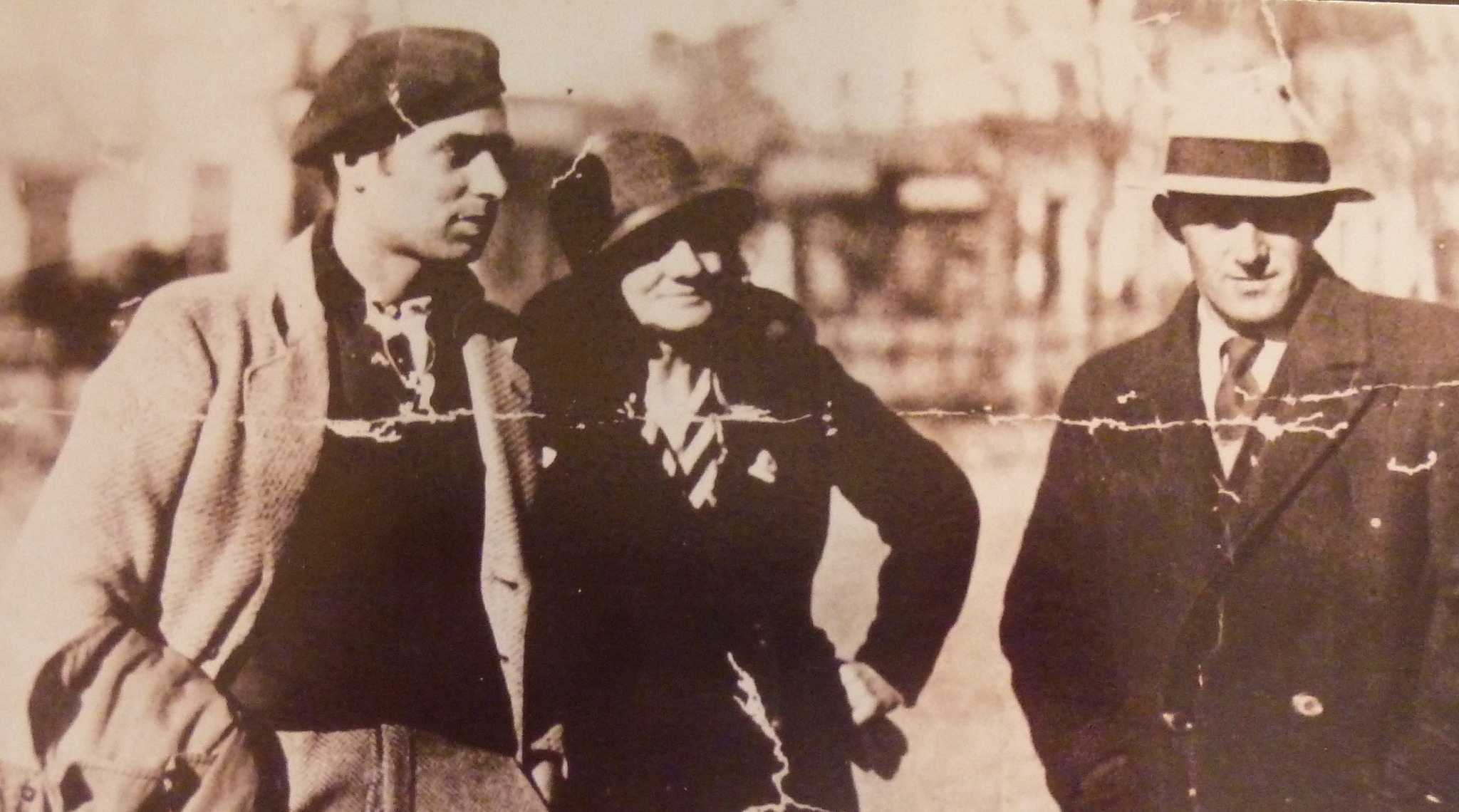
KSP on a tour of the Soviet Union with other writers.
In April 1933, Katharine was asked to speak to a group of students at the University of Western Australia on the Soviet Union. Was it a worker’s paradise or a tyrannous state? Katharine, as a communist, insisted it was the former; the economics lecturer Edward Shann noted in objection that others held a different view and they should all have an open mind.
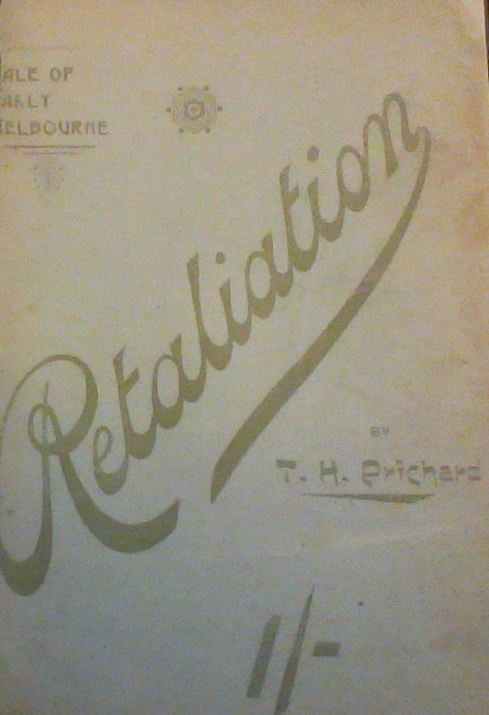
‘Should he continue in the wide field of literature he will assuredly become one of our first writers of romance,’ wrote Launceston’s Daily Telegraph, reviewing journalist Thomas Prichard’s novel, Retaliation: An Early Tale of Melbourne (1893). It was not to be. This is the only novel Prichard was to publish before his death by suicide in 1907; in addition to his journalism, the rest of his oeuvre is filled out with two known short stories in The Bulletin and two serial Christmas stories in newspapers, as well as poems and some works of non-fiction. Retaliation was published in a cheap paperback edition with a green cover and sold for a shilling. Trove, the combined catalogue of libraries across Australia, lists six copies held in Australia; there may be several more in libraries not listed, and a few in private hands, but essentially, Prichard’s novel and his literary career have been forgotten. Retaliation is a popular fiction of its day, and while competent and representative, is not especially memorable. It does, however, read as a fascinating document of its time, especially in relation to the work of Prichard’s famous daughter, Katharine Susannah.
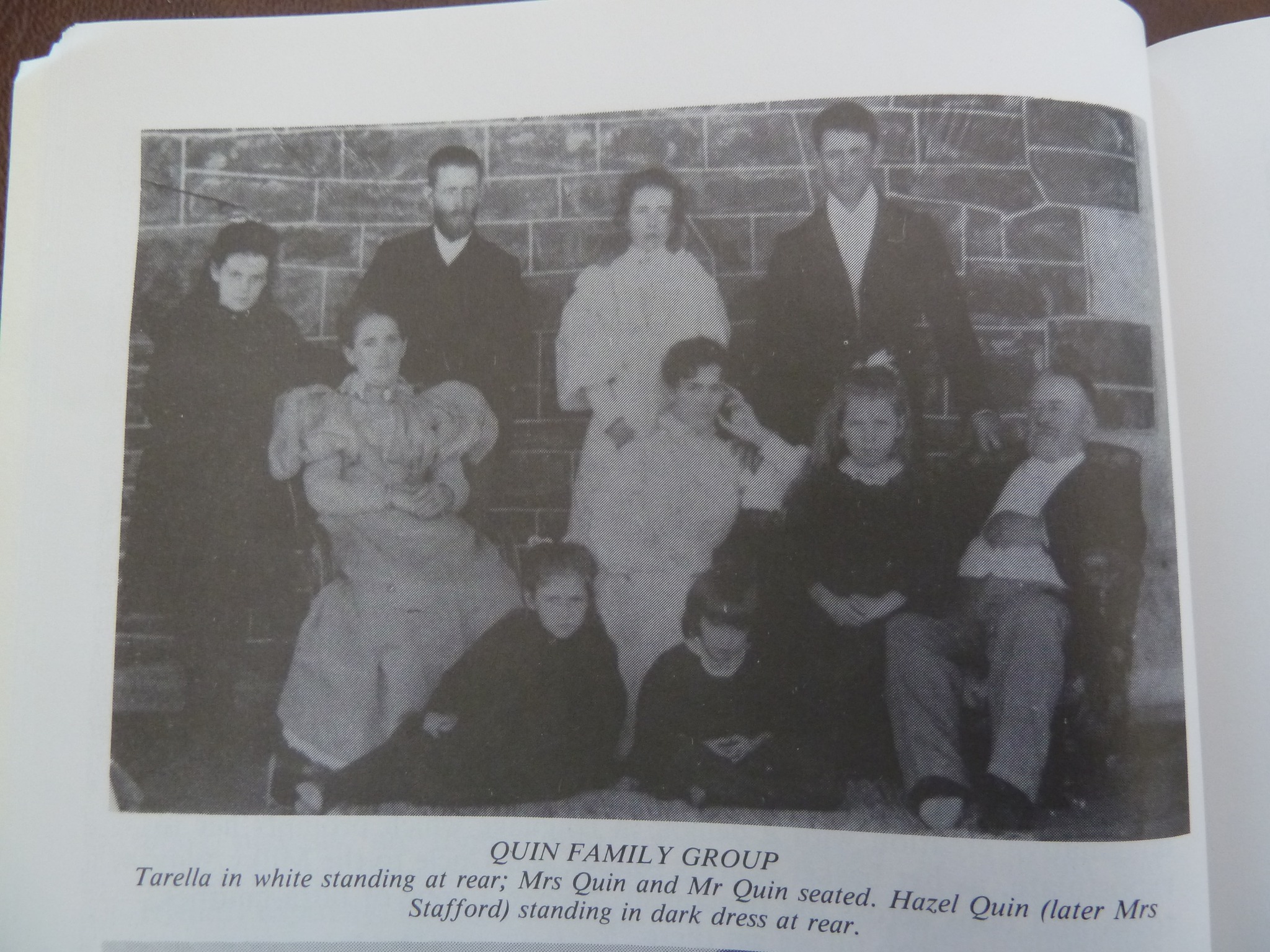
In May 1905, at the age of twenty-one, Katharine Susannah Prichard set out to work for six months as a governess for the Quin family at the Tarella Station in far-western New South Wales. It was a critical season in Katharine’s life. She fell in love for the first time with a man she calls “Red Beard,” real name Alfred Quin. Years later, some people were perplexed by Katharine marrying Hugo Throssell, an outdoorsman who cared about horses rather than books. But with his physicality and love of horses, Alfred Quin was the prototype for Hugo and showed the sort of man she was often drawn to.
Although she makes only a veiled reference to it, she would have spent time with his sister, Tarella Quin, who was just emerging as a children’s author. It was also the longest she ever spent in the back-country which would inspire so much of her work.
Katharine wrote about her time at Tarella in a serial called “A City Girl in Central Australia,” which ran for six episodes in The New Idea in 1906 (not the same publication as the women’s magazine still published today). “City Girl” is a curious blend of autobiography and fiction. A spirited young woman named “Kit” (one of Katharine’s nicknames) writes letters home to “Ma-Mie,” detailing her observations of station life and her misbegotten romance with Billy Northwest.
I managed to find this photo of the Quins in a booklet written about Tarella Quin by some antiquarian Australiana booksellers. Redbeard does look rather debonair. And Tarella suitably writerly. Bill Holloway has written about her on his blog https://theaustralianlegend.wordpress.com/…/tarella…/. You can read about Katharine’s stay with the Quins in chapter 5 of The Red Witch, ‘Outback’.
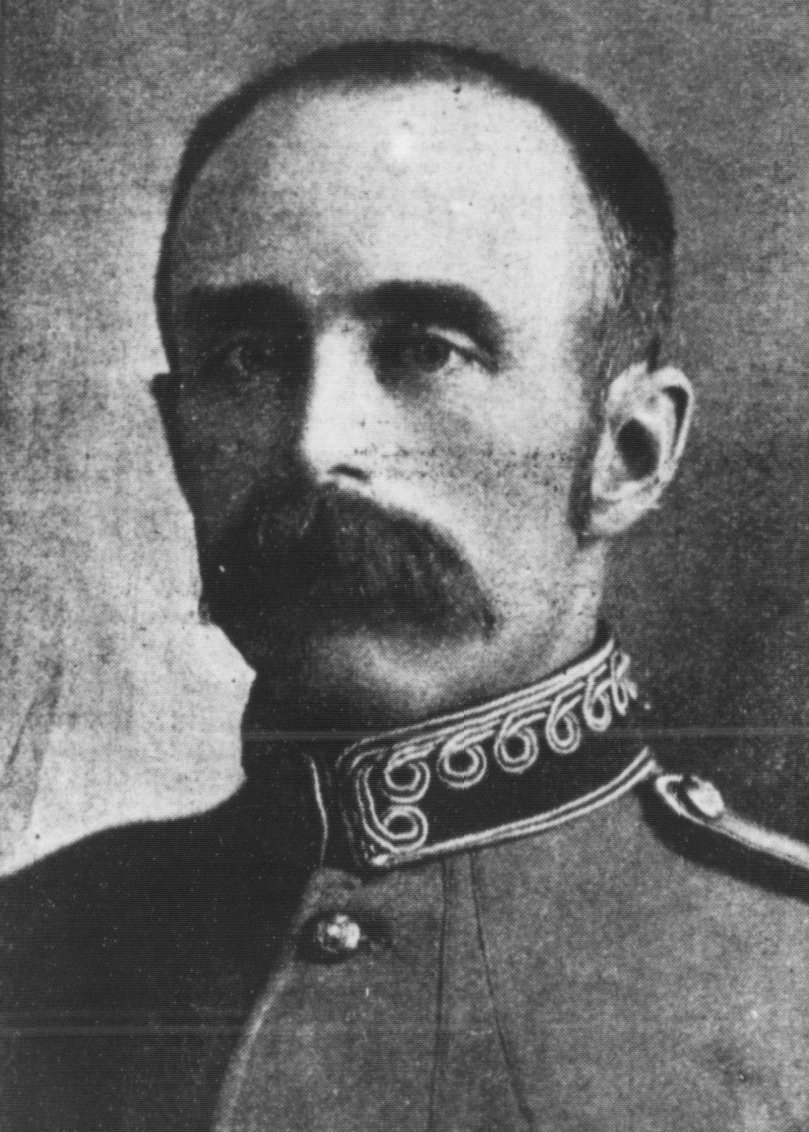
Perhaps the biggest breakthrough in my detective work for The Red Witch was my discovery of the likely identity of ‘the Preux Chevalier’ (pictured). It’s the pseudonym Katharine gives a man in her autobiography who had a critical role in her life. He was a friend of her parents who started secretly meeting Katharine in her twenties just before her father died. She learned a lot from him about politics, journalism and culture but he grew more and more obsessive about her. He gave up his job and moved his whole family – including five daughters – to London when she moved there. He made her promise she would never marry, threatening to kill himself. Such was his shadow over her life that she felt compelled to write about it in her autobiography, but his daughters were still alive so she wouldn’t reveal his name.
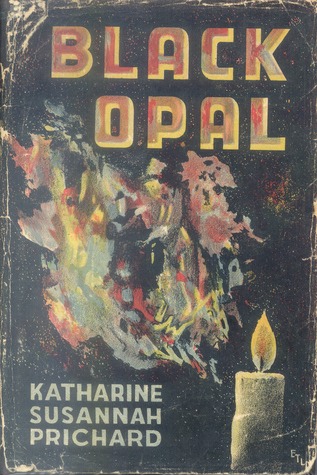
Katharine’s third published novel, Black Opal (1921), is a transition work. It has the exuberance and frivolity of her early work but also the political weight and accomplished descriptions of a community at work of her mature writing.
Working as a governess near Wilcannia in 1905, she’d taken a trip out to the White Cliff Opal Fields. The breakthrough serial she wrote inspired by that year, “A City Girl in Central Australia”, ends with a bizarre plot twist in White Cliff. The lure of opals didn’t fade. After the success of The Pioneers, she travelled to the new opal fields, Lightning Ridge, with the express goal of researching her next novel. She writes in her autobiography that the pub owner initially gave her a very cold welcome, thinking she was a visiting prostitute.
Katharine gives opal a mystical allure. It will drive men crazy, they will give up everything for the pursuit of it. She would later treat pearls (Moon of Desire [1941]) and gold (the goldfields trilogy [1946-1950]) in a similar way.
Set in the opal mining settlement of Fallen Star Ridge, Black Opal has two significant plot strands: the Ridge’s pure, beautiful Sophie coming into womanhood and torn between three men; and the attempt of an American to buy out the individual miners and commercialise operations. Black Opal is not only historically intriguing as a novel of ideas, but also a gripping read. The plot slips into melodrama, and co-incidences abound, yet we care about Michael and Sophie and all the rest of the Ridge folk. Katharine has a narrative instinct and profound insight into life. It’s what made her famous a century ago, and its what makes her books still worth reading.
You can read more in chapter 15 of The Red Witch, ‘The Opal Fields’.
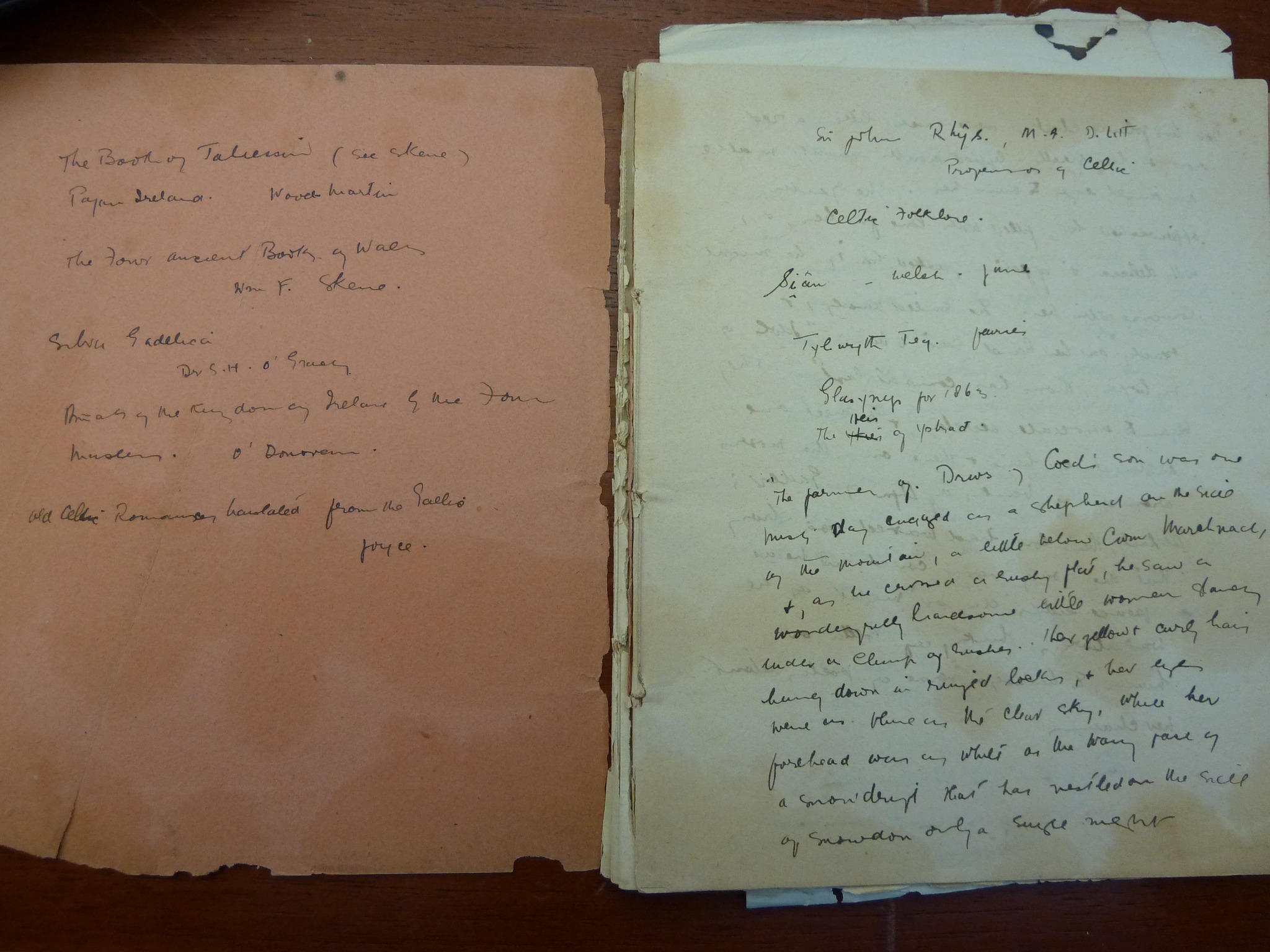
Only a handful of Katharine’s notebooks survive. One of them is the ‘Ti-tree journal’, and has pages of angst poured out over her storm of feelings about Guido Baracchi while staying among the ti-trees near Black Rock, Melbourne, in 1916. Most of the others are detailed notes she took on her trips to research her novels. They don’t make for easy reading and aren’t obvious to use in a biography, although they do show how she worked. She would write down slabs of dialogue, nomenclature, little word sketches of scenes. A lot of it just didn’t make sense to me. There are a few gems though, including a key at the back of her Pioneers notebook where she specifies what she has renamed each of the towns in Gippsland for the novel. And then there’s the revelations from a notebook in 1929. What seems to be a transcription of the final letter from her mysterious lover, the Preux Chevalier, probably copied out in her notebook to keep it secret while preserving it. A draft of a letter to an Australian poet whom she had grown very close to. She writes to him from the beach at Rockingham describing events she fictionalised in the novel Intimate Strangers. It took years to work out what I was looking at, but it did all finally come together when I found the final, sent version in that poet’s archives. You can read about that in chapter 24 of The Red Witch, ‘The Mirage is Breaking Up’.
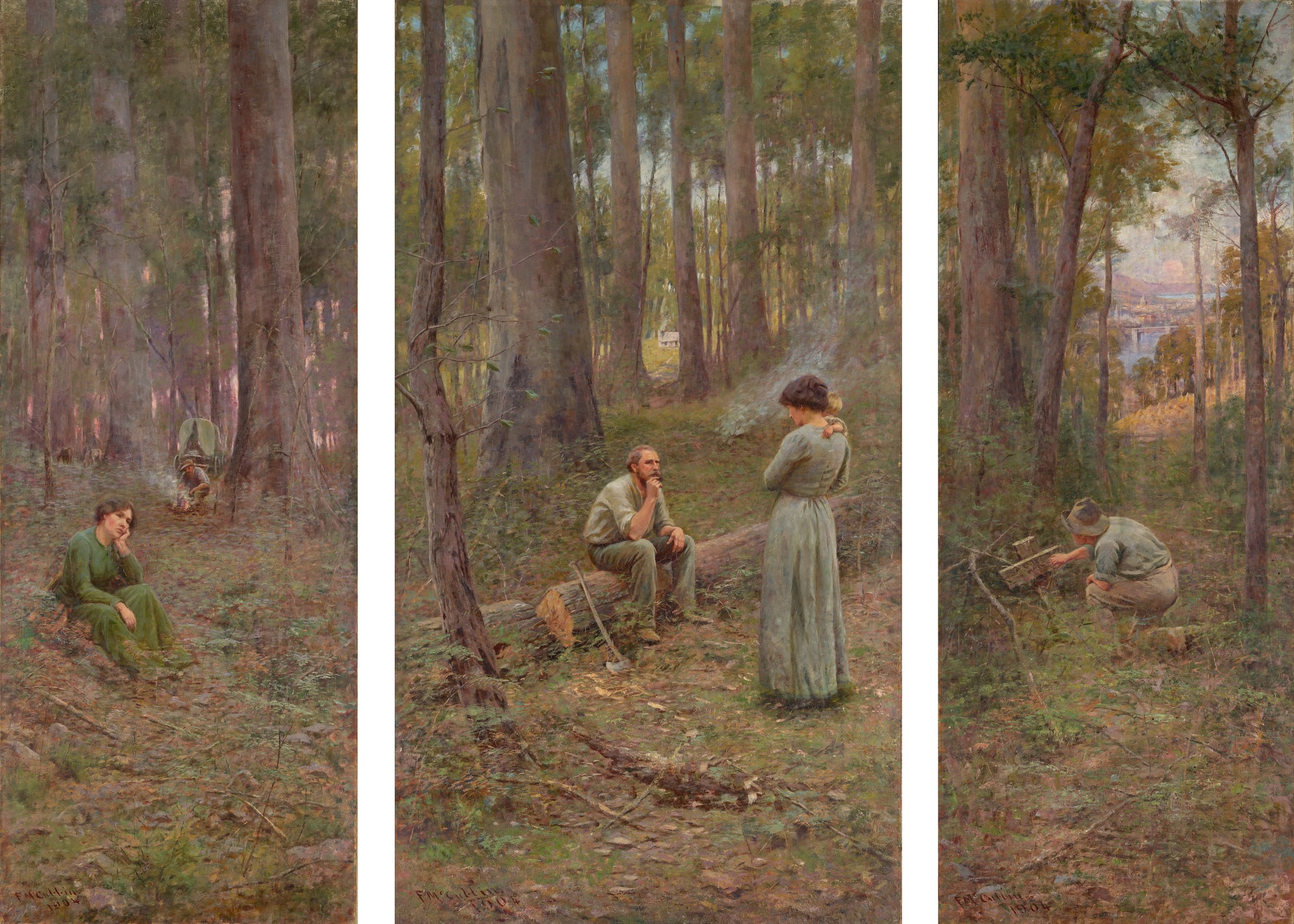
Katharine regularly visited the art gallery in Melbourne as a young woman and in 1906, home from stints as a governess in Gippsland and the outback, she saw the newly acquired painting ‘The Pioneer’ by Frederick McCubbin. A decade later, writing her first (published) novel, The Pioneers, in a cold London flat, she grafted her experience of Gippsland onto a plot which follows the three panels of the triptych. The Pioneers’ opening scene describes her characters setting up camp in the uncleared bush; its body narrates the hard work of ‘pioneering’; and its epilogue evokes the third panel as the grandson of the original pioneer visits his ‘lichen-grown wooden cross’. I don’t know if she had a print to work from in London or if she was relying on her memory. The first edition of The Pioneers in 1915 has the painting as a frontispiece. When Katharine returned to Melbourne in 1916, her old journalist friends put on a lavish dinner in her honour at the Cafe Francais. (One of the reviewers of my manuscript wondered why on earth I include details of what they ate that night, but for me it is the wonder of biography to be able to re-create the particulars of a moment in time.) A special guest at the dinner was an aging Frederick McCubbin, who was to die the next year. I searched in vain for some record of the interaction between Katharine and McCubbin that night, but found nothing. Katharine’s novel and McCubbin’s painting are products of the celebratory patriotism of Federation Australia, remembering the pioneering generations who were now dying out, but not remembering the Indigenous people displaced and massacred. More of the story can be found in chapter 12 of The Red Witch, ‘Breaking Out’.

 Nathan Hobby, a biographer in Perth